Viel Obscura
1/20
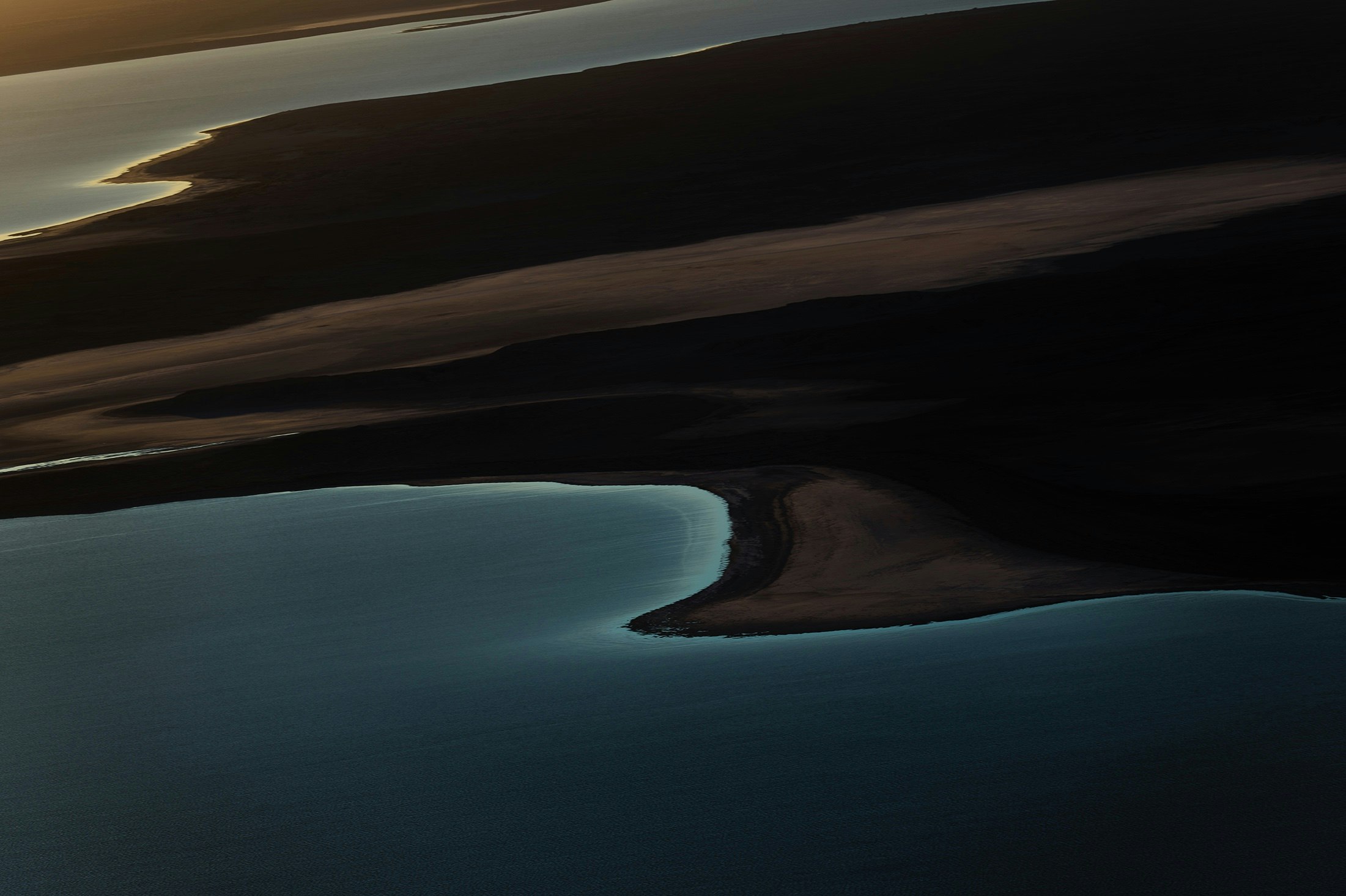
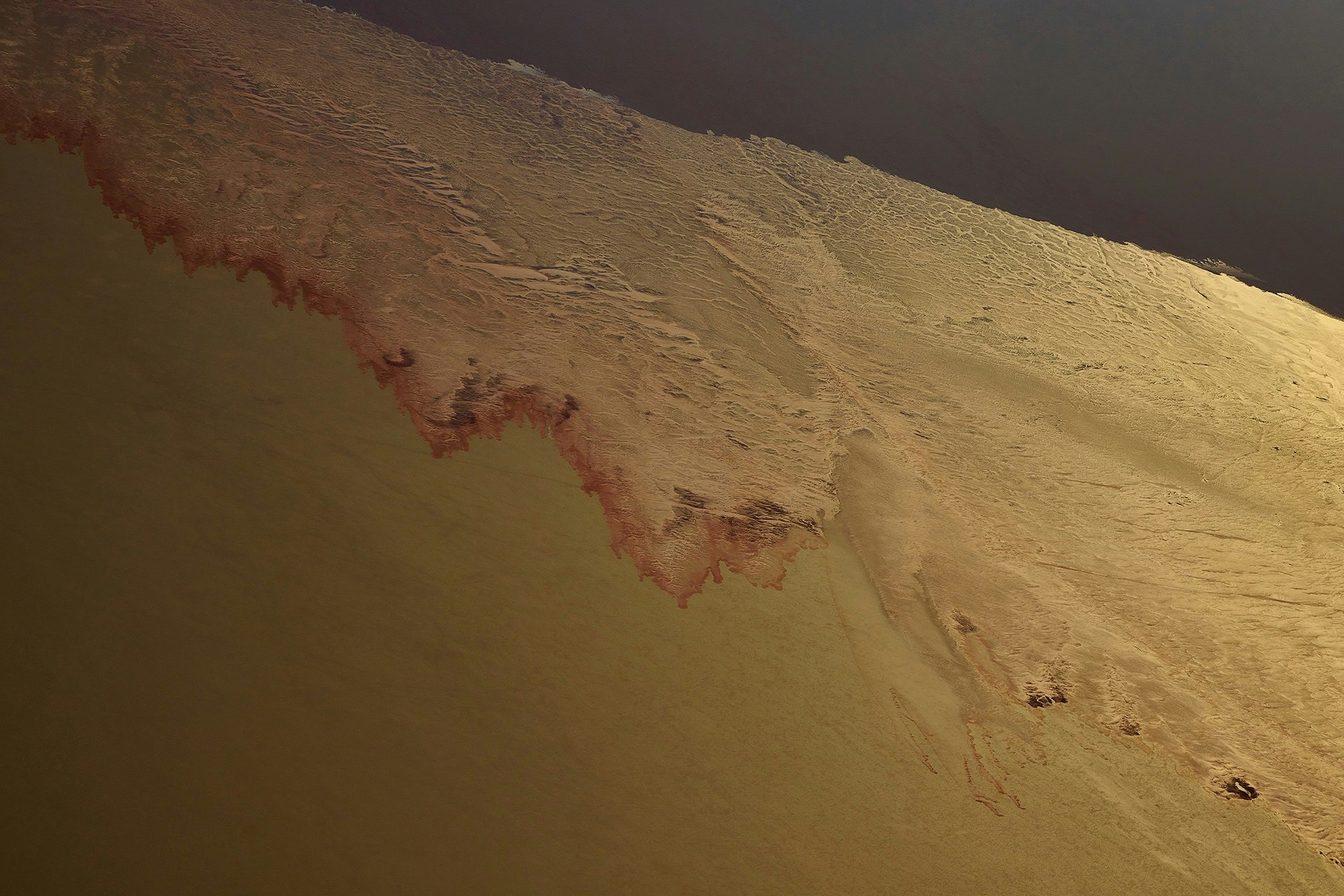
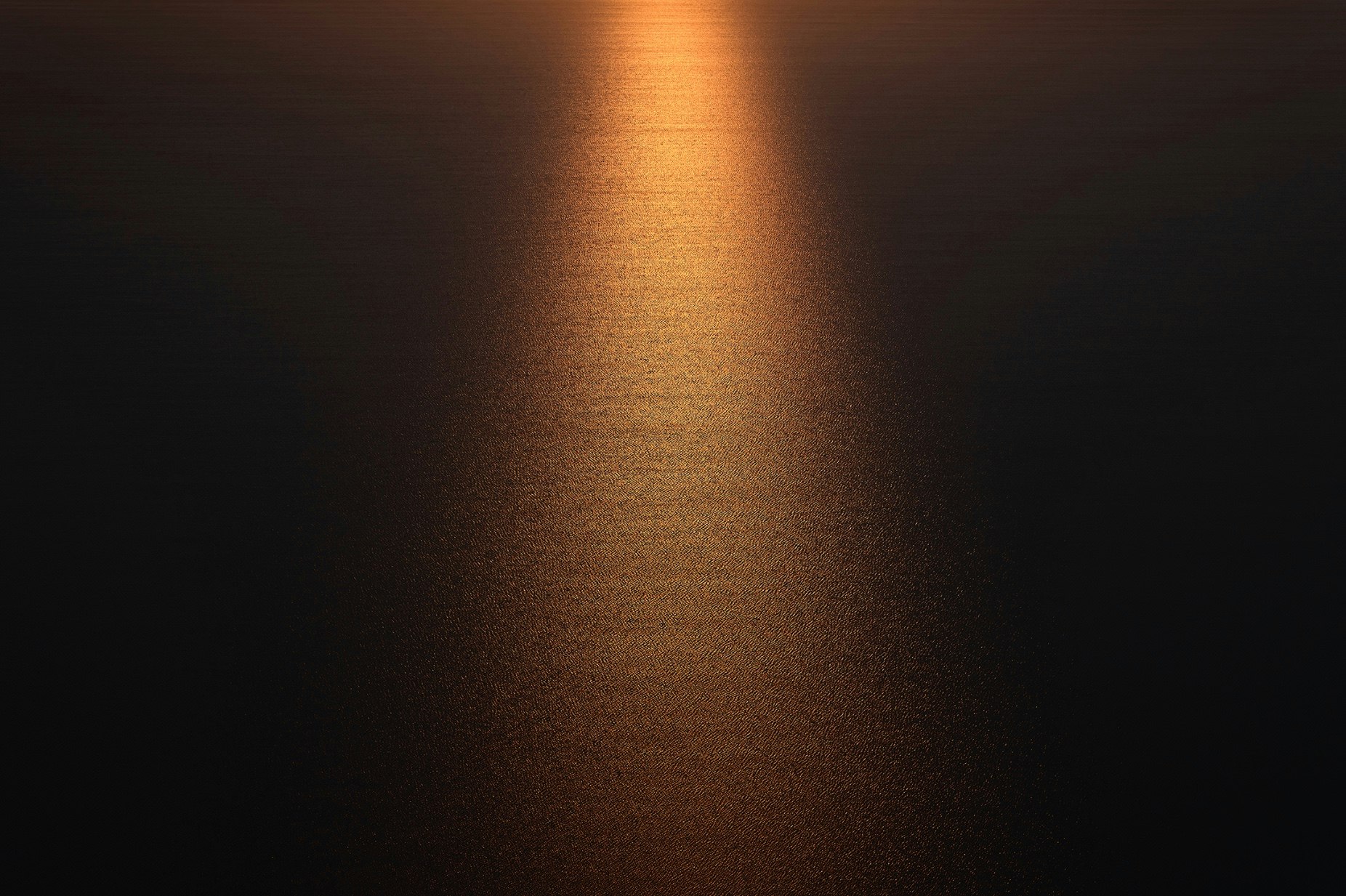
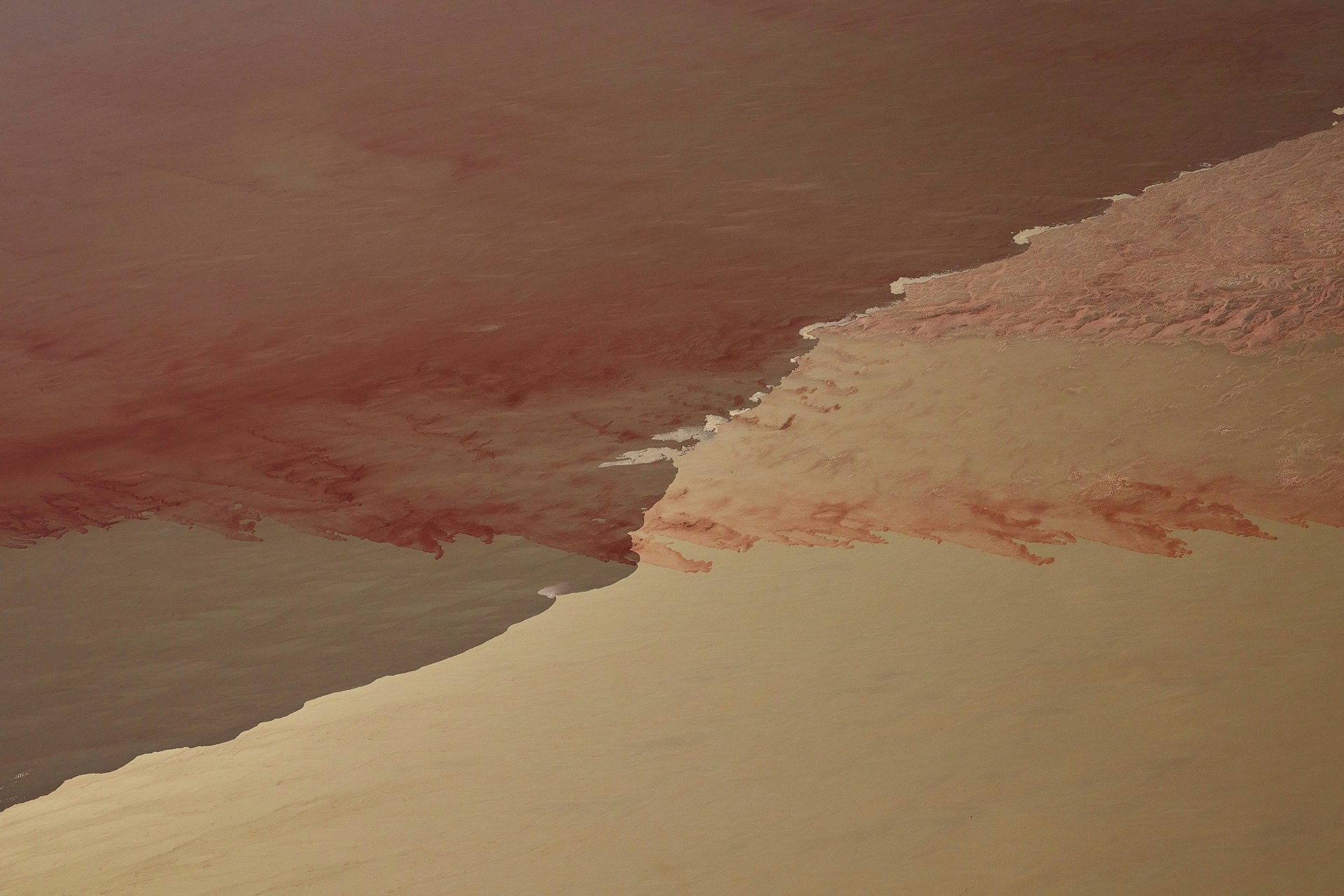
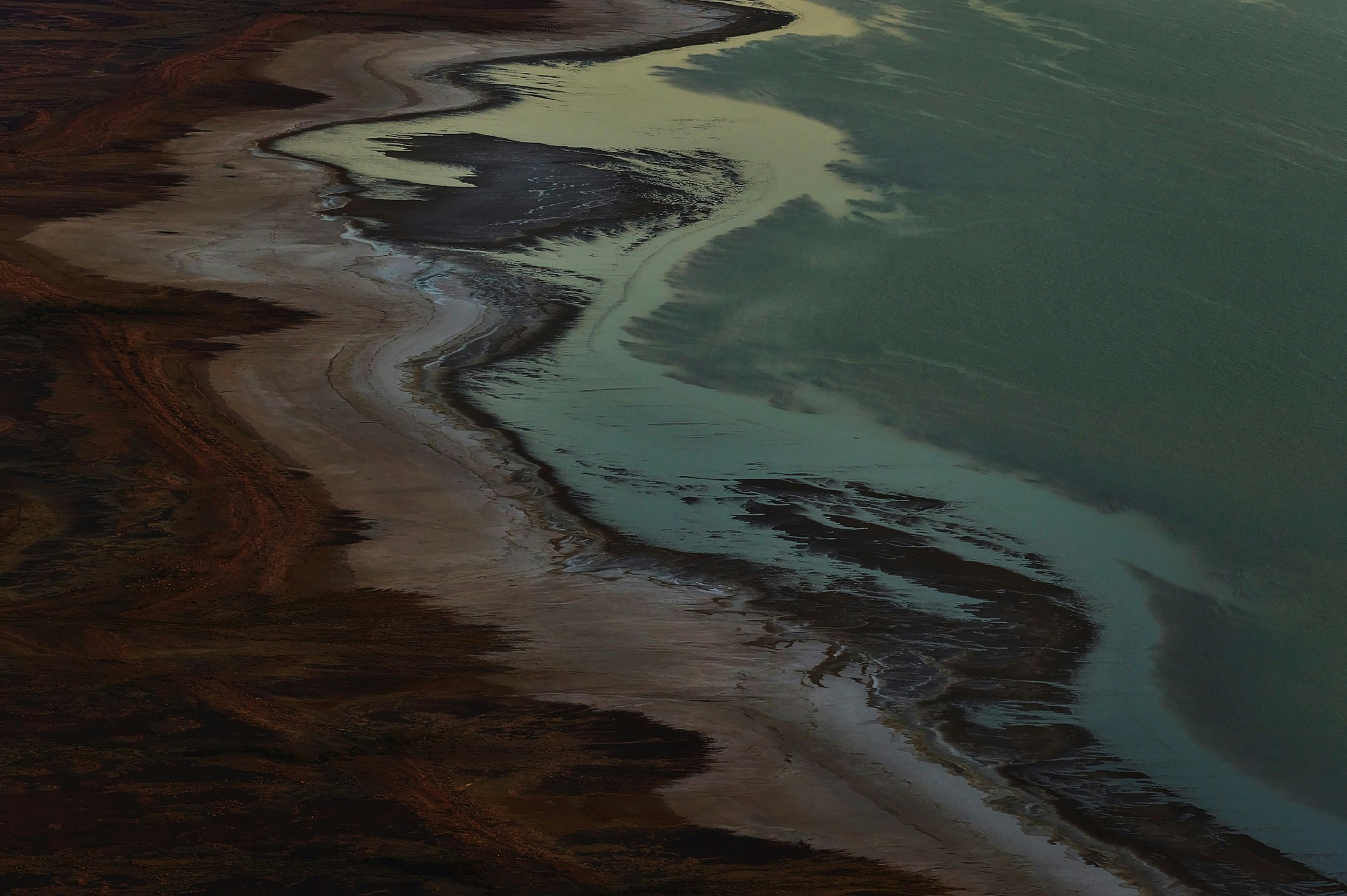
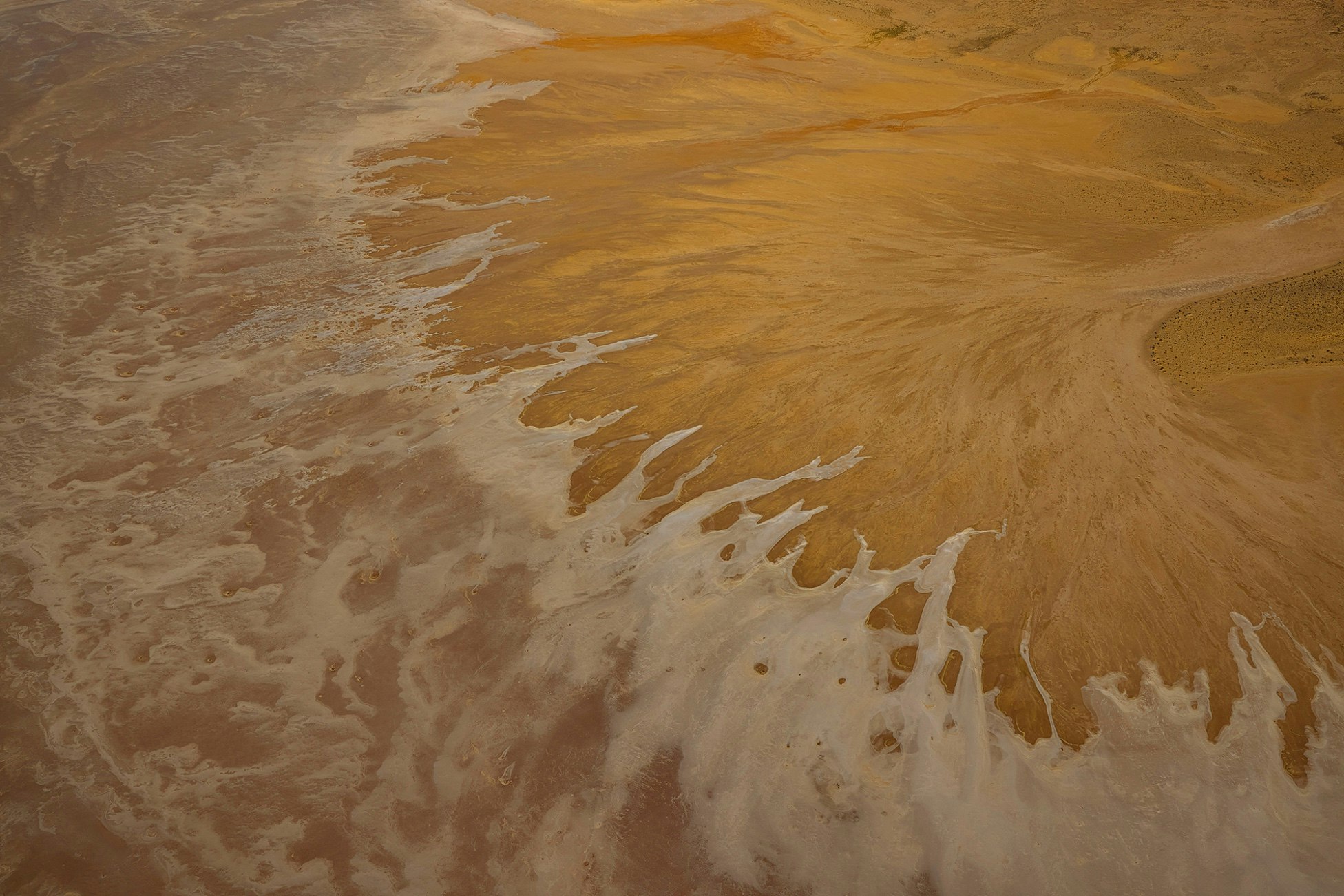
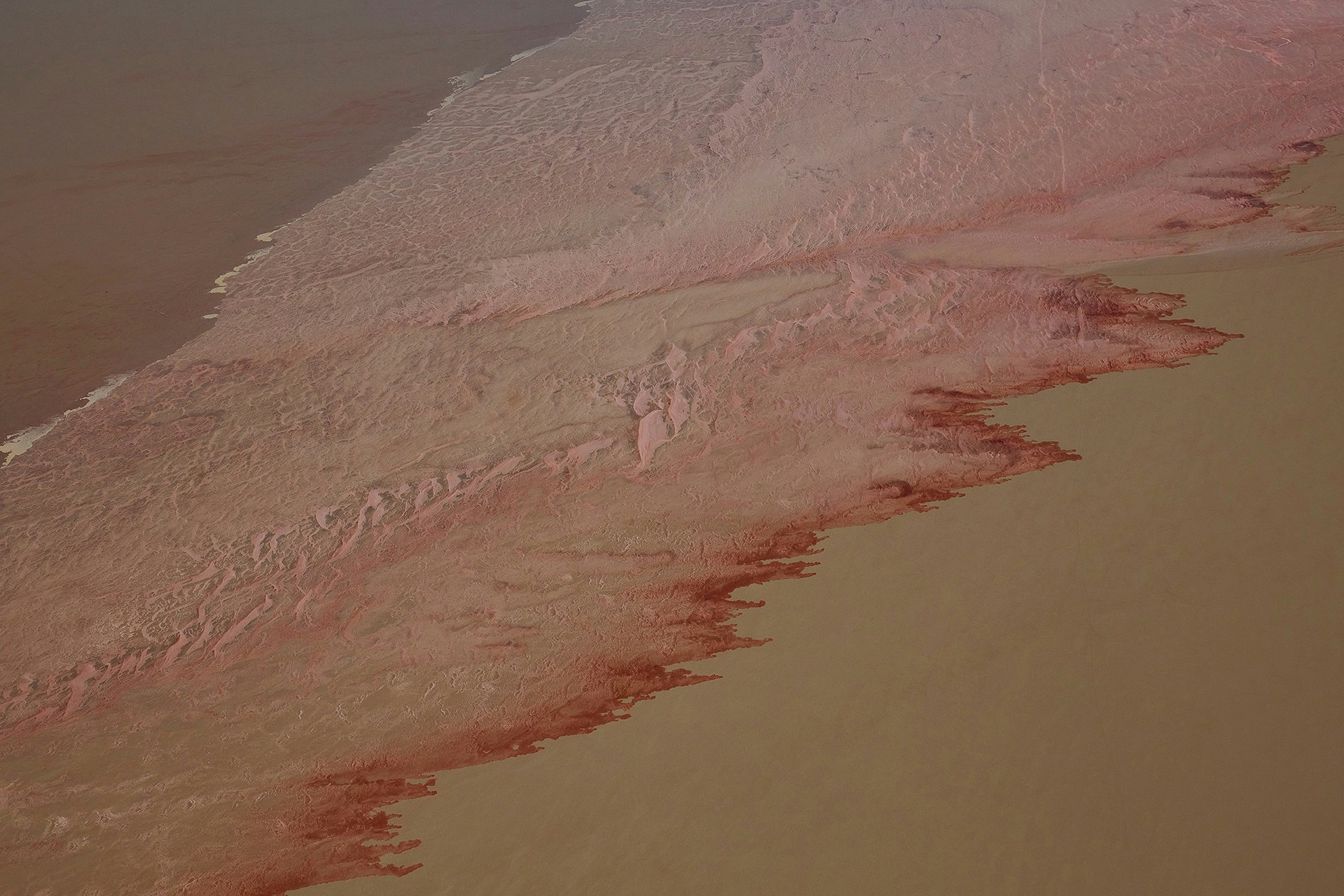
Kati Thanda-Lake Eyre
2025
Kati Thanda-Lake Eyre
2025


















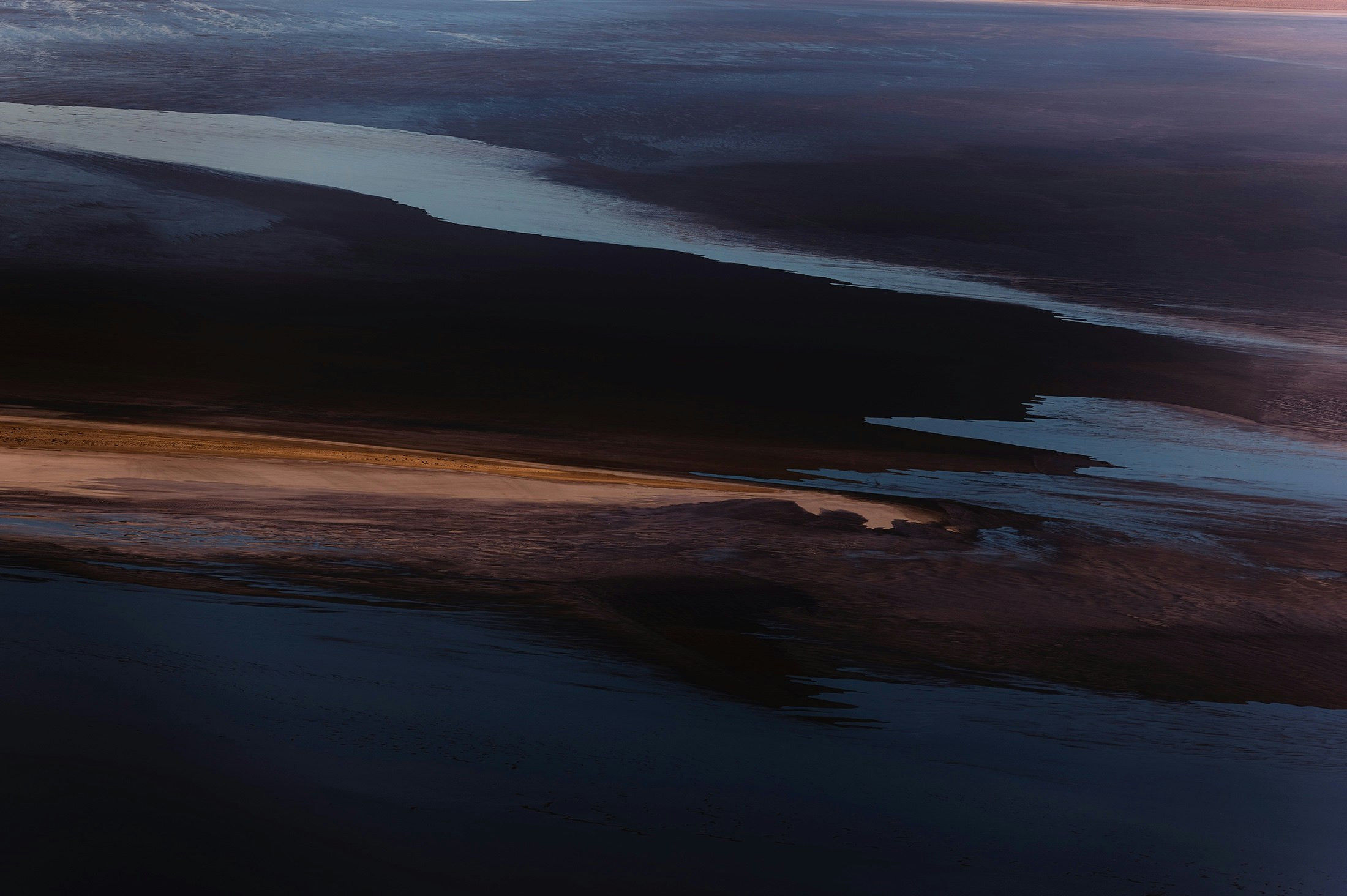


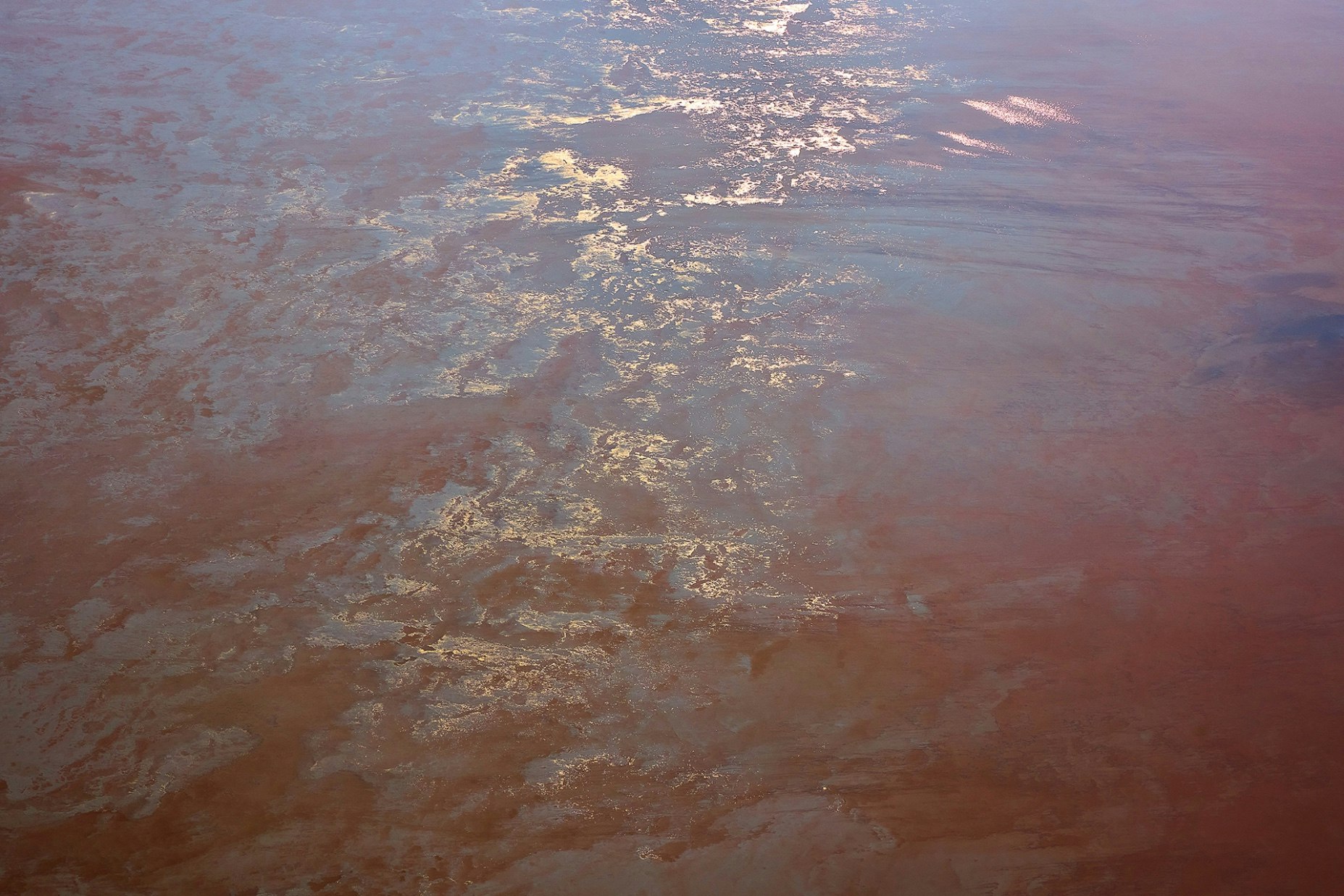

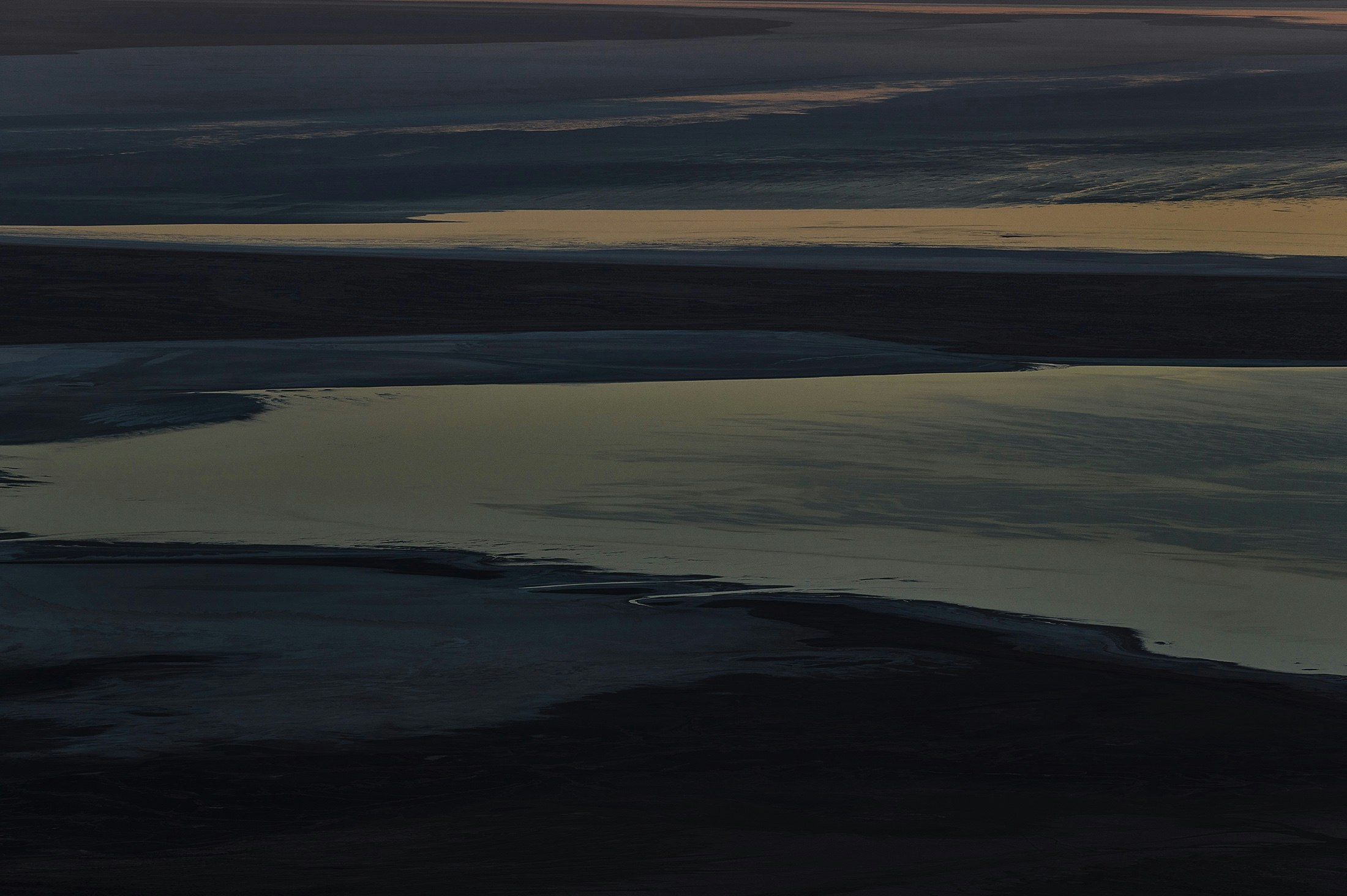


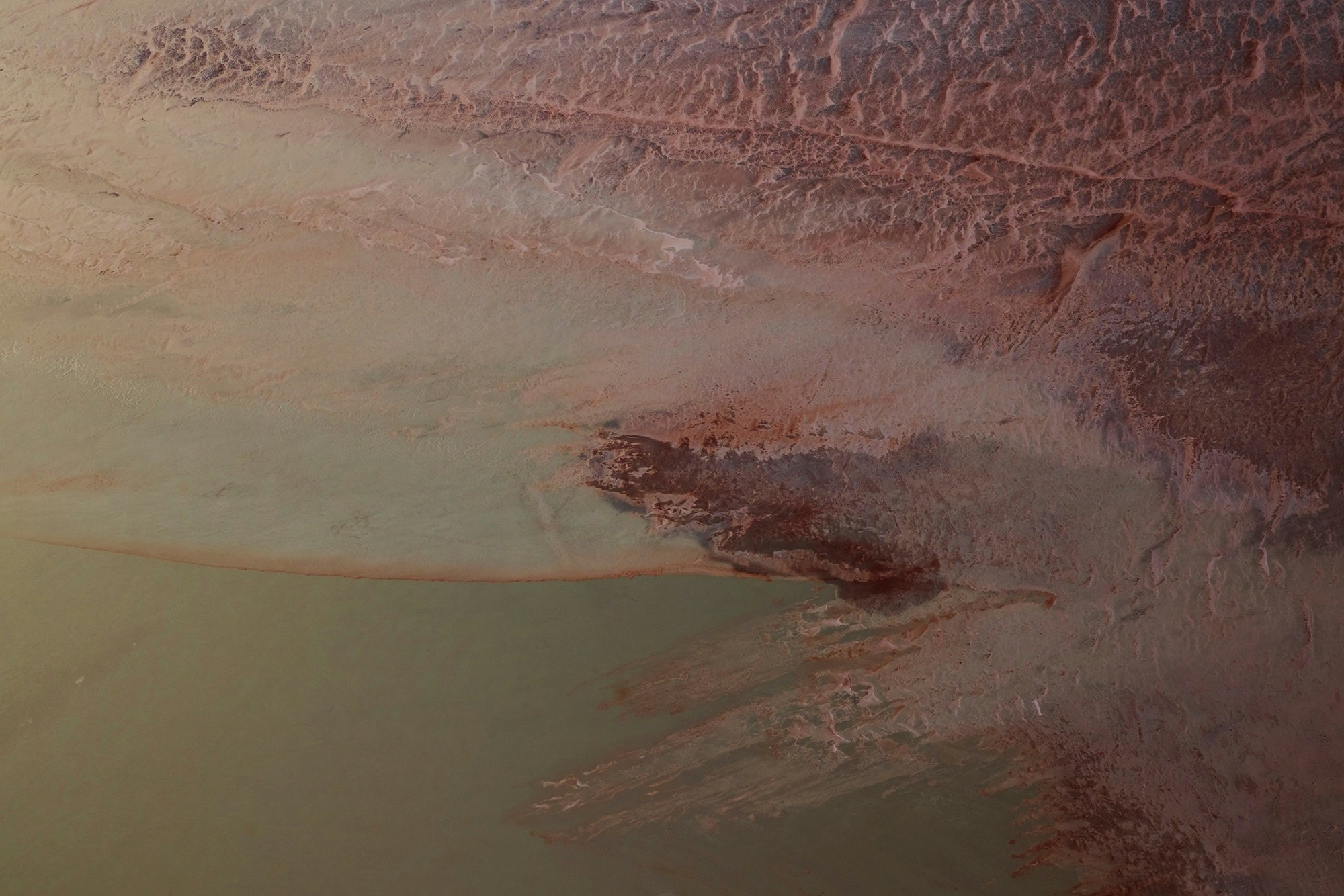
















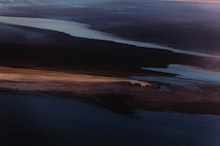
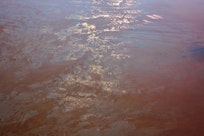
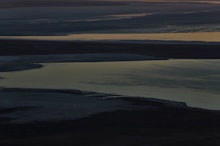
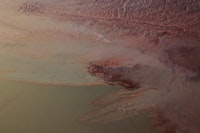

Viel Obscura Journal:
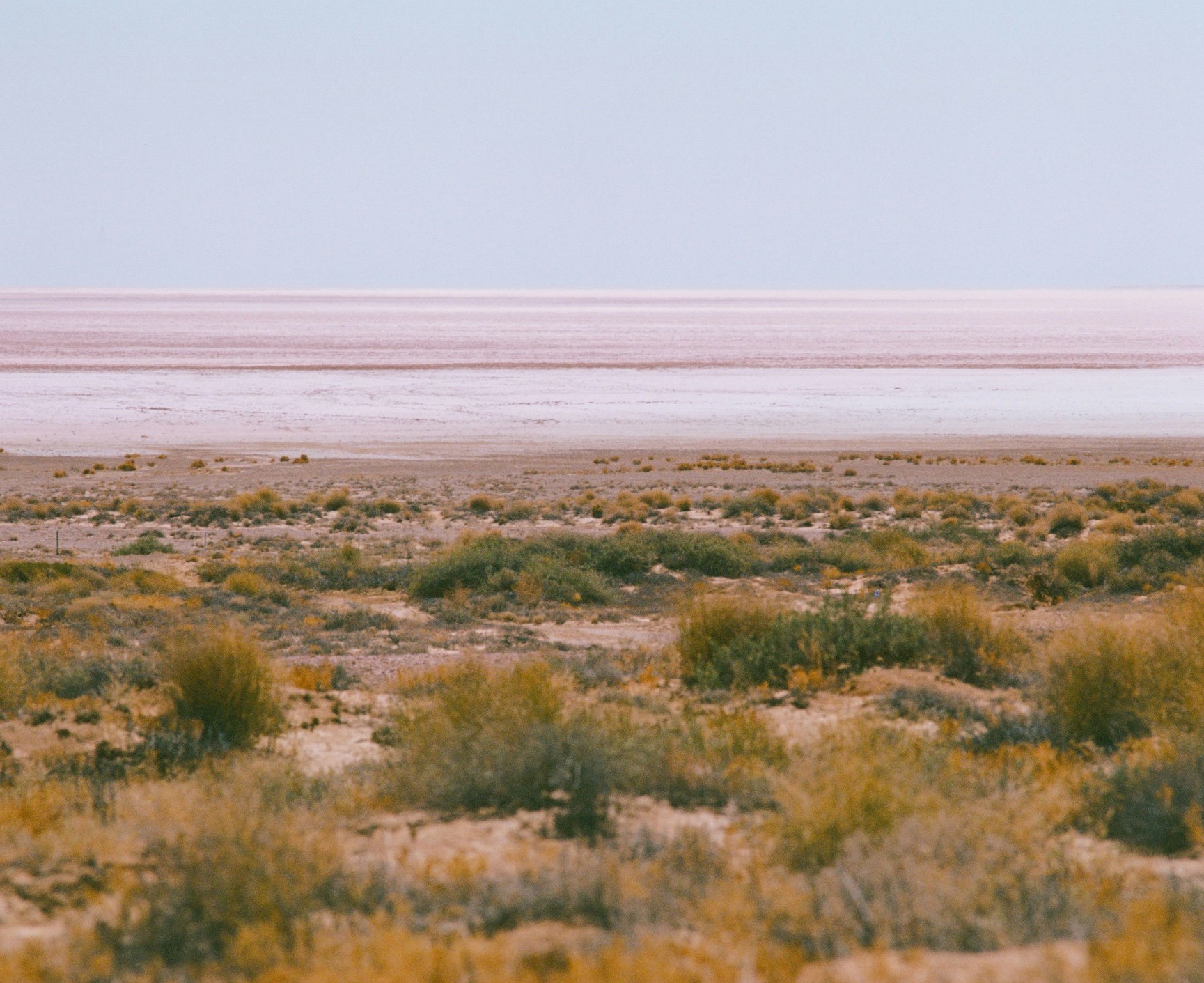
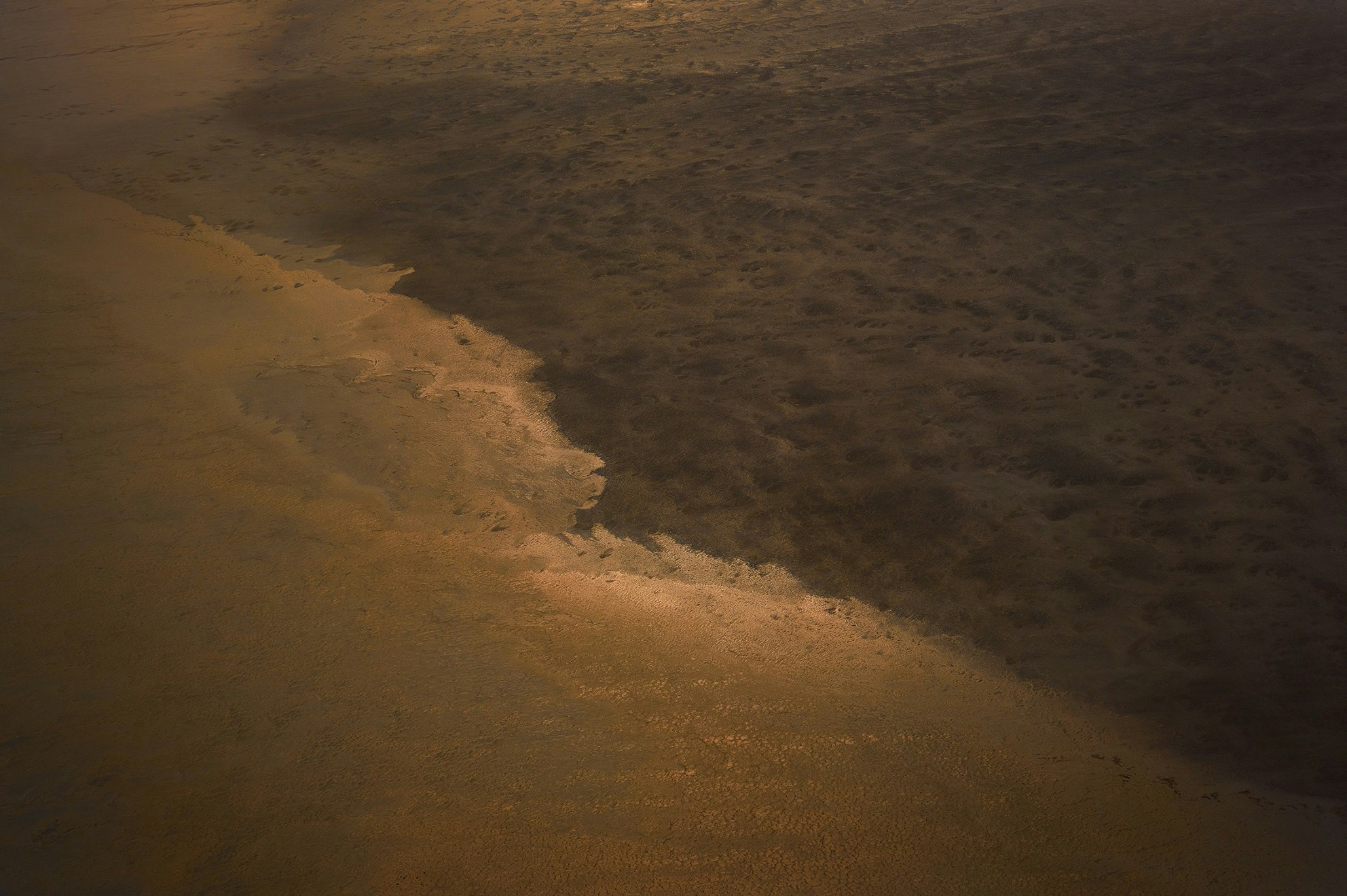
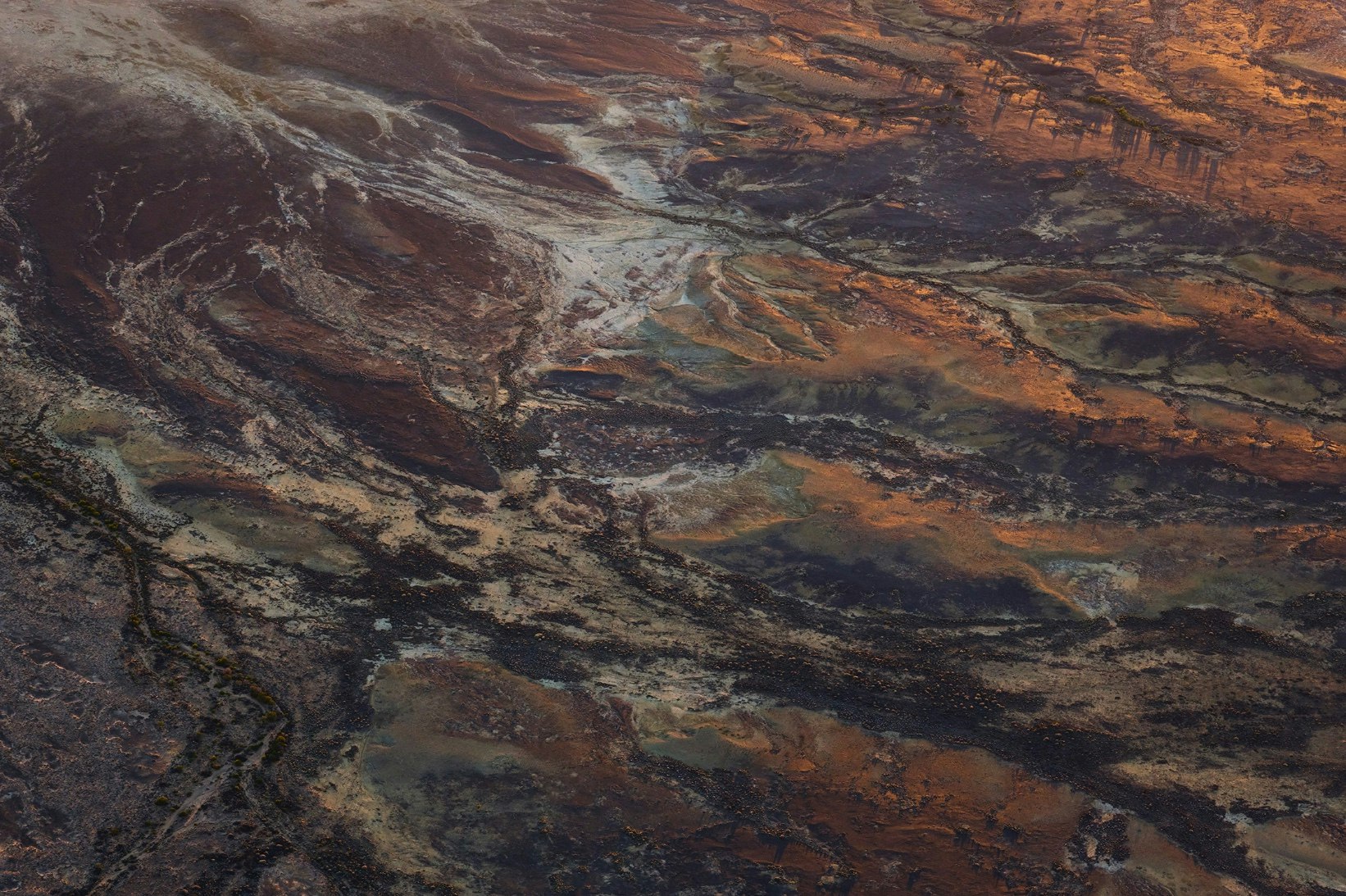
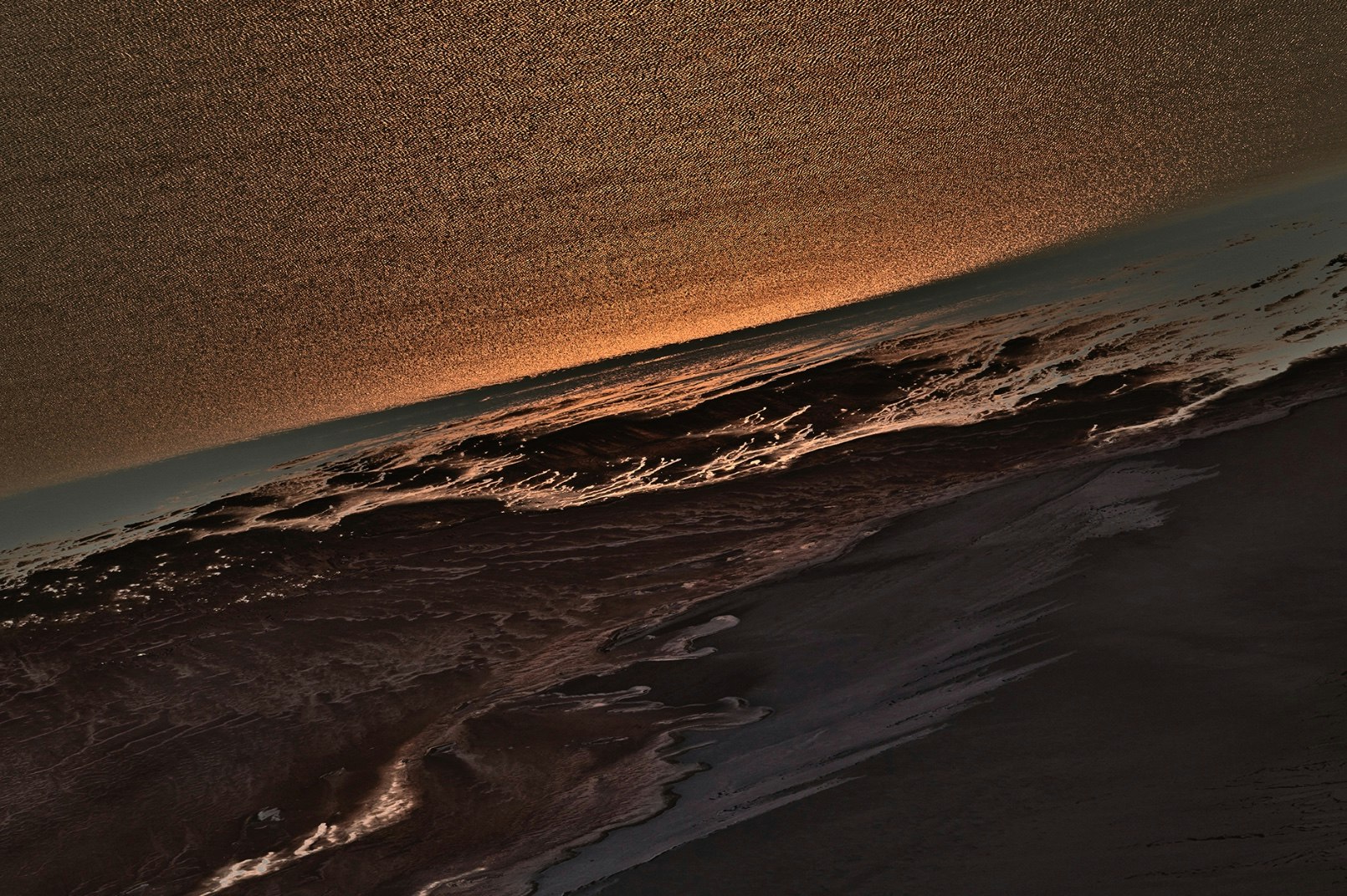
My fascination with Kati Thanda–Lake Eyre began long before I ever stood at its edge. In primary school, a grainy geography film flickered across a classroom projector, showing the basin alive with birds, water, and movement.
It barely filled the screen, yet it filled my imagination. I didn’t know it then, but those images would anchor something in me, a curiosity that resurfaced every time the wet season pushed floodwaters through the Channel Country in western Queensland.
Each major flood event became a signal. I would study river levels, follow satellite images, and wonder whether this might be the year the basin transformed again. The idea of witnessing it in person felt equal parts improbable and necessary, a pilgrimage shaped by weather systems, timing, and chance.
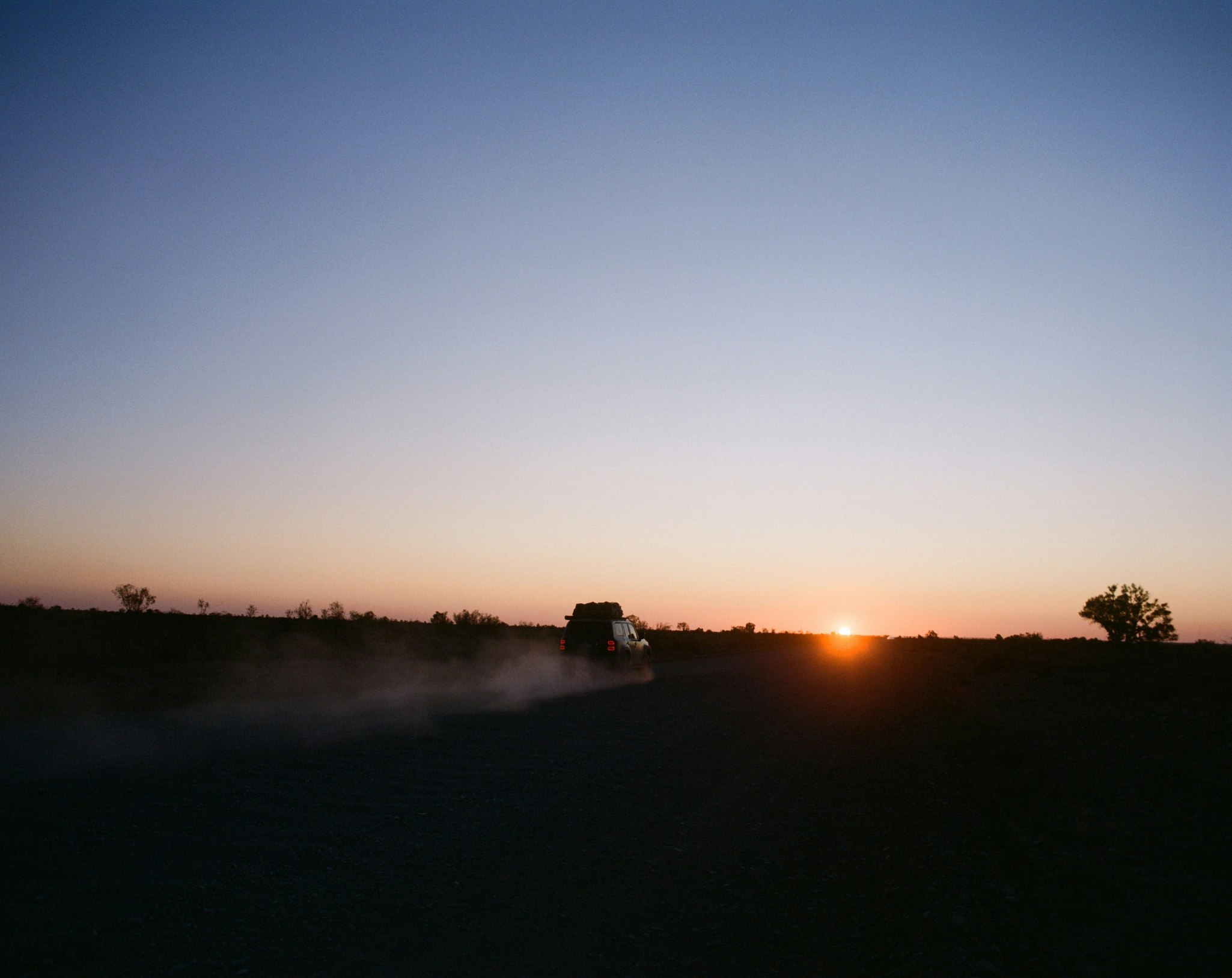
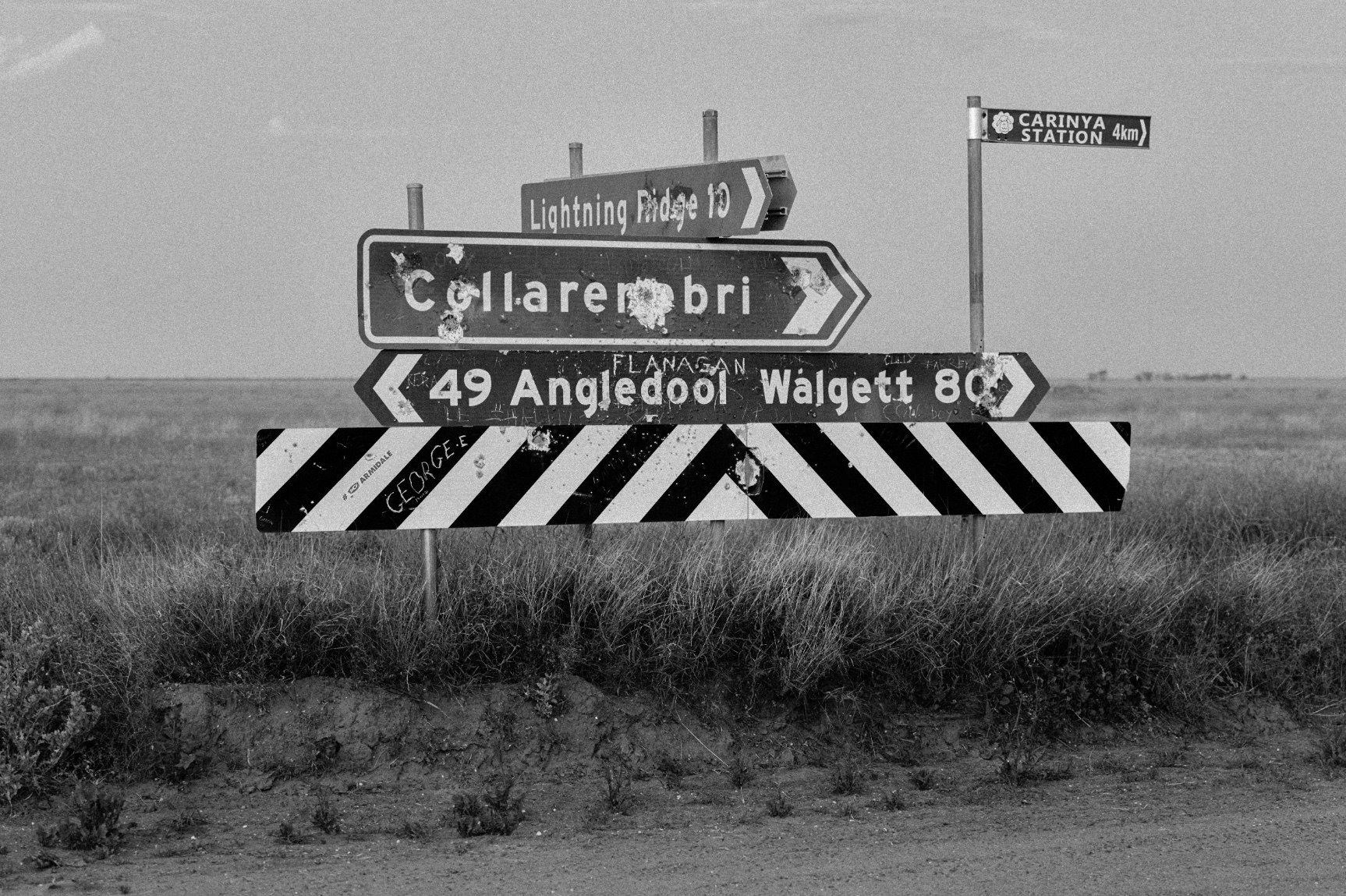
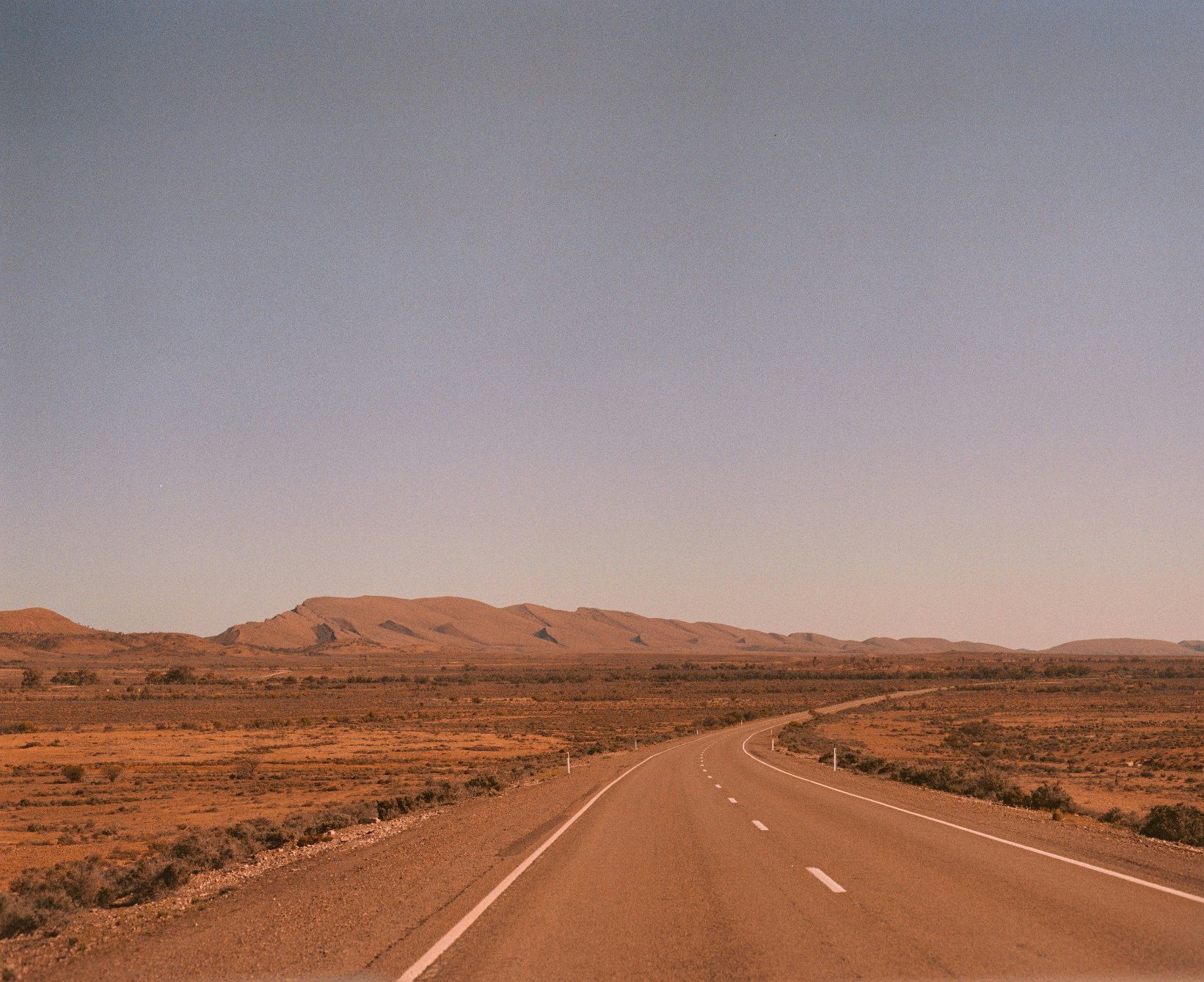
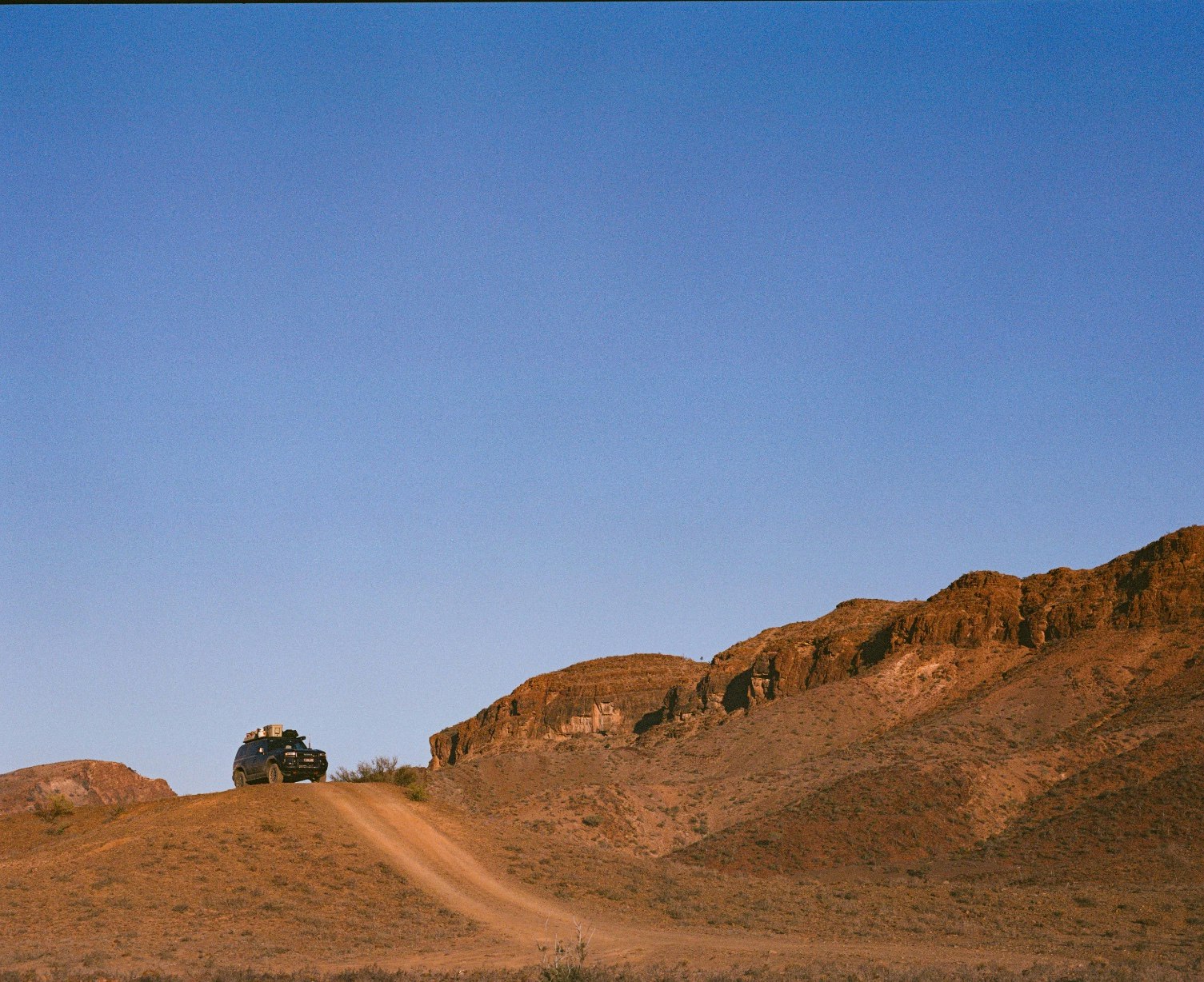
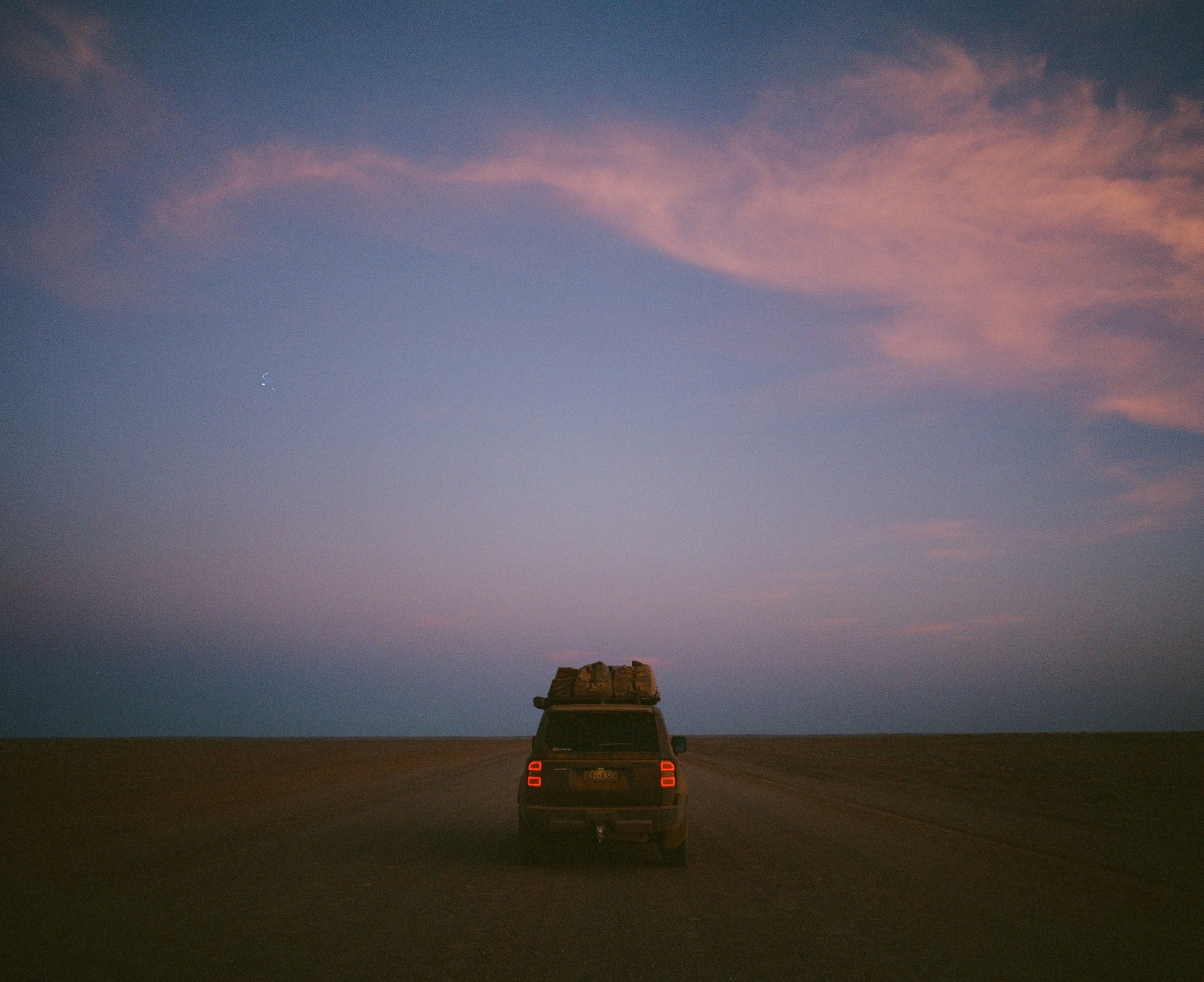
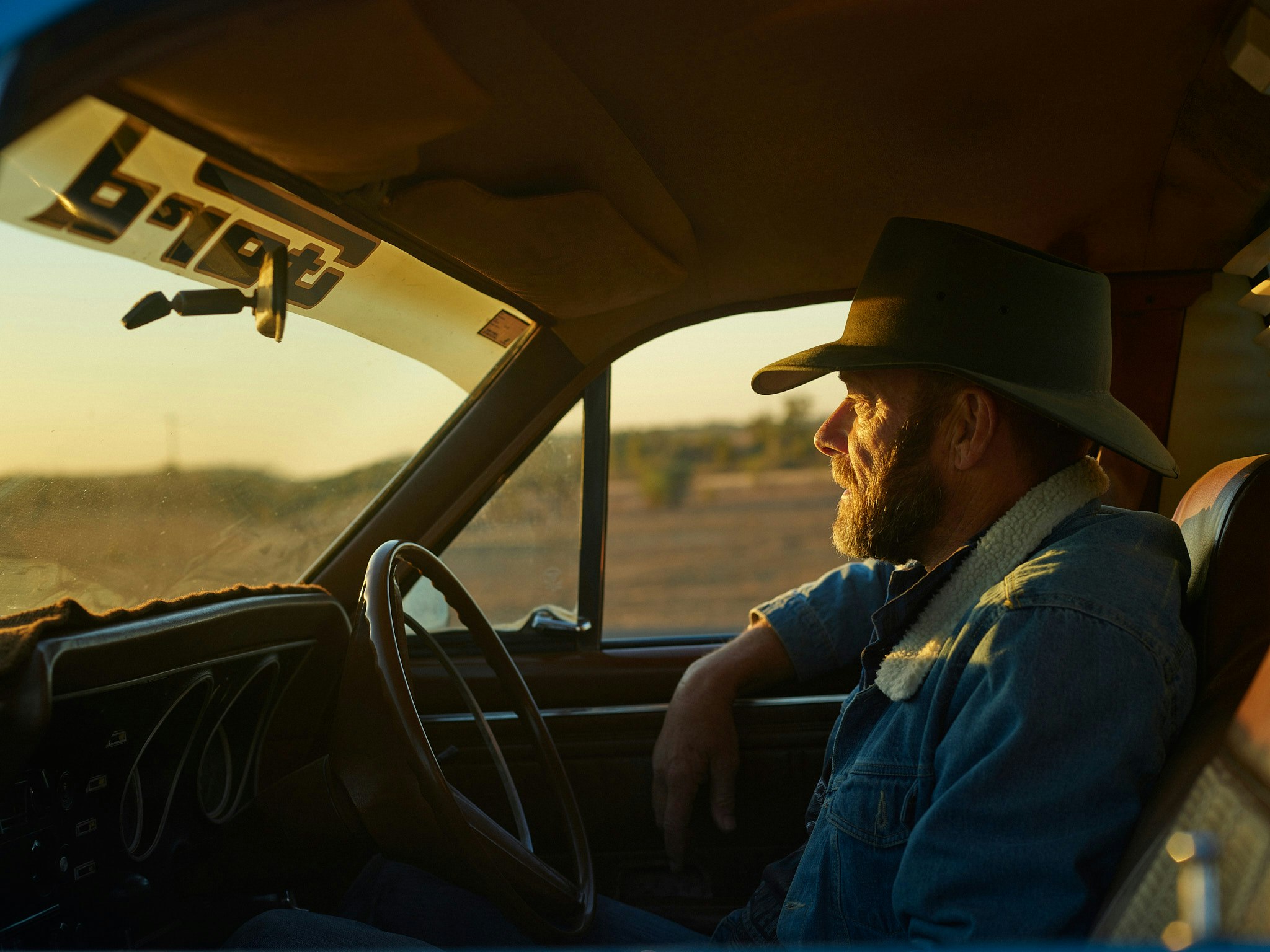
Seeing it properly demanded commitment. It was a 2,500 kilometre drive across some of Australia’s harshest landscapes, a journey that required more resolve than romance. Two earlier visits never aligned with the lake’s cycle; both times I arrived too early or too late, the basin either evaporated back to salt or was still gathering itself
When record floods hit the Channel Country in early 2025, the possibility sharpened. I rang the William Creek Hotel, and the answer was immediate: “If you’re coming, block out the first week of October.” That was all I needed. The date was set. The destination fixed. But as is always the case with Kati Thanda - Lake Eyre, the journey became its own story, the long roads, the shifting terrain, the anticipation growing with every kilometre.
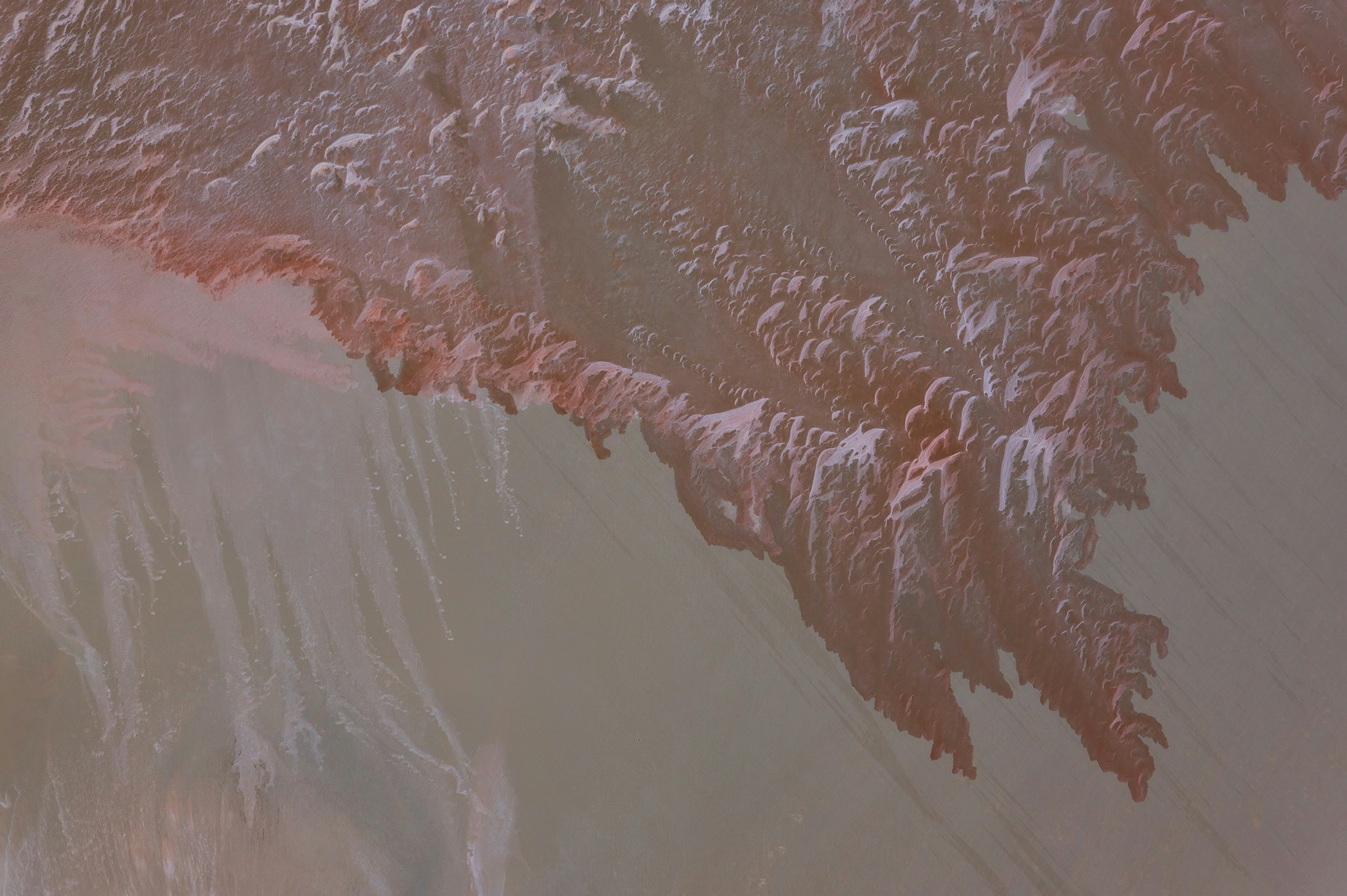
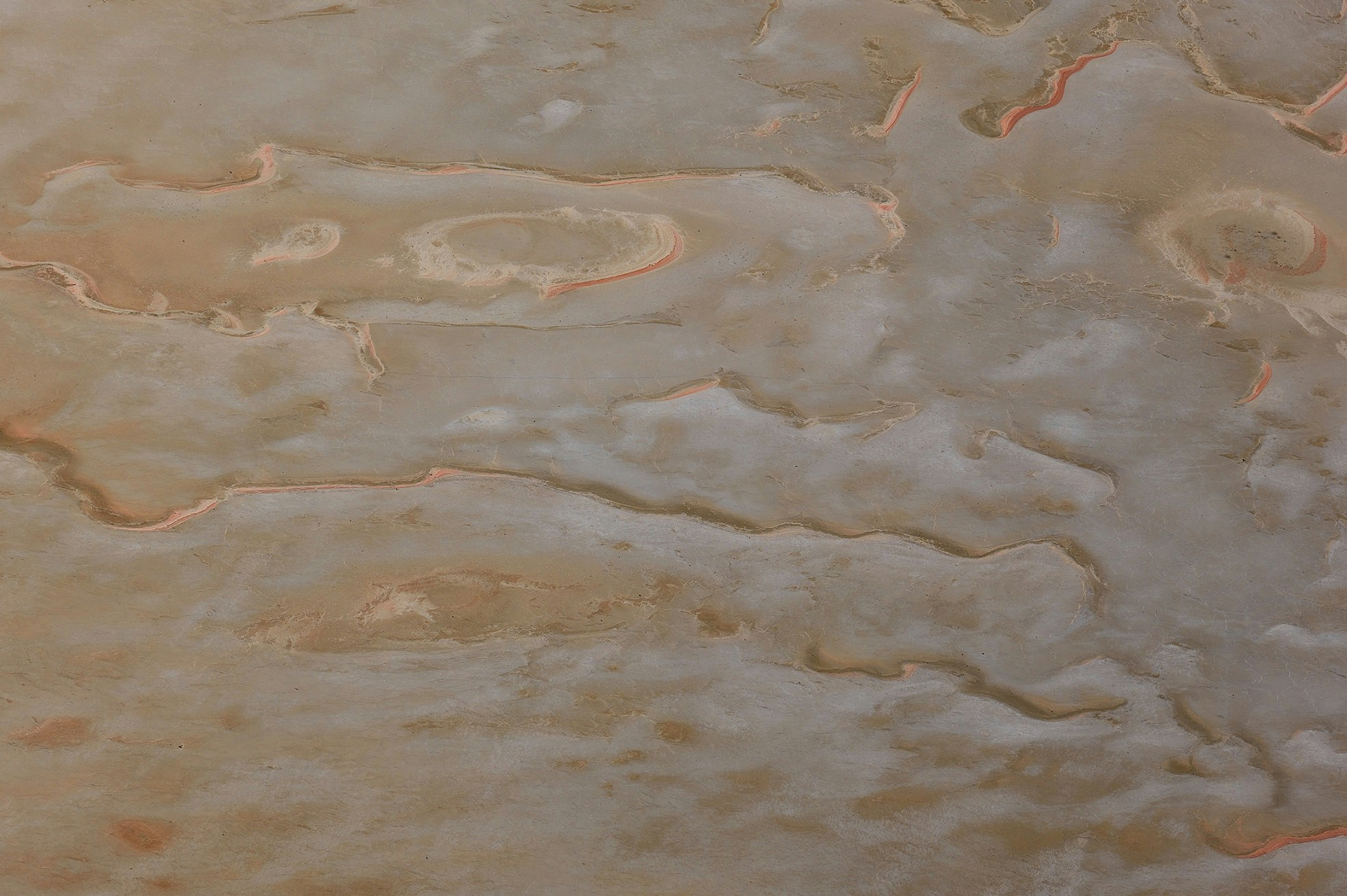
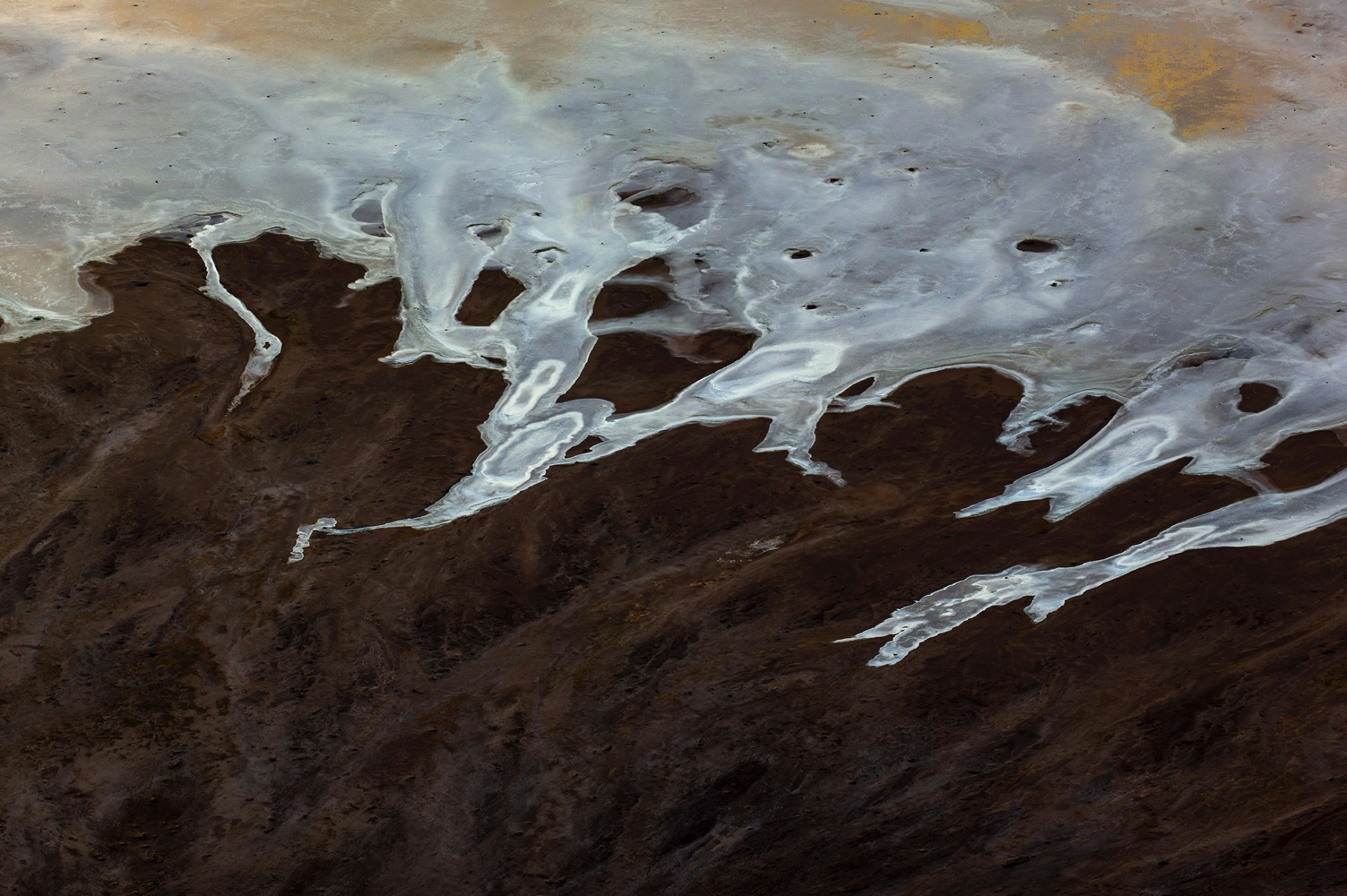
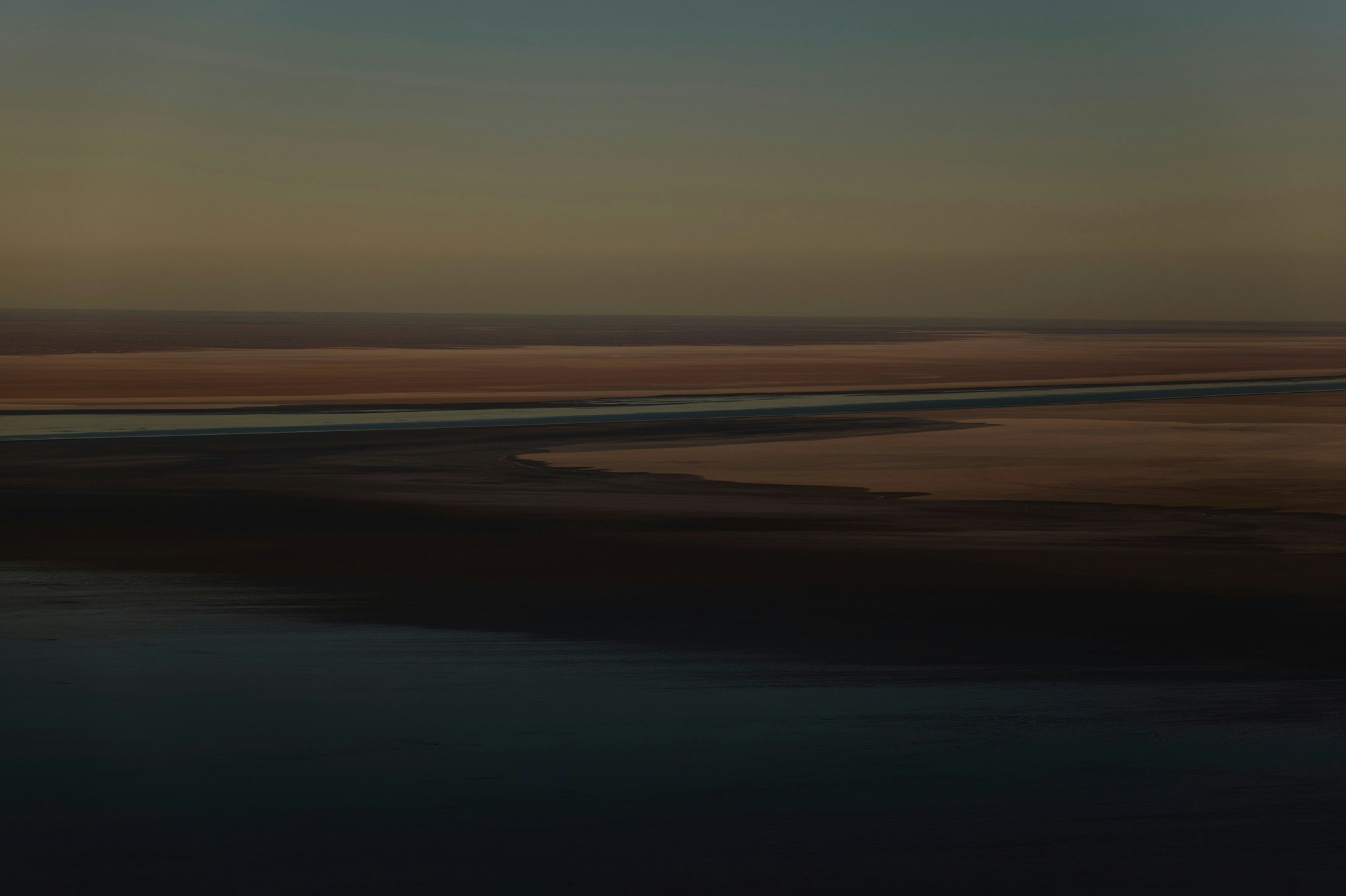
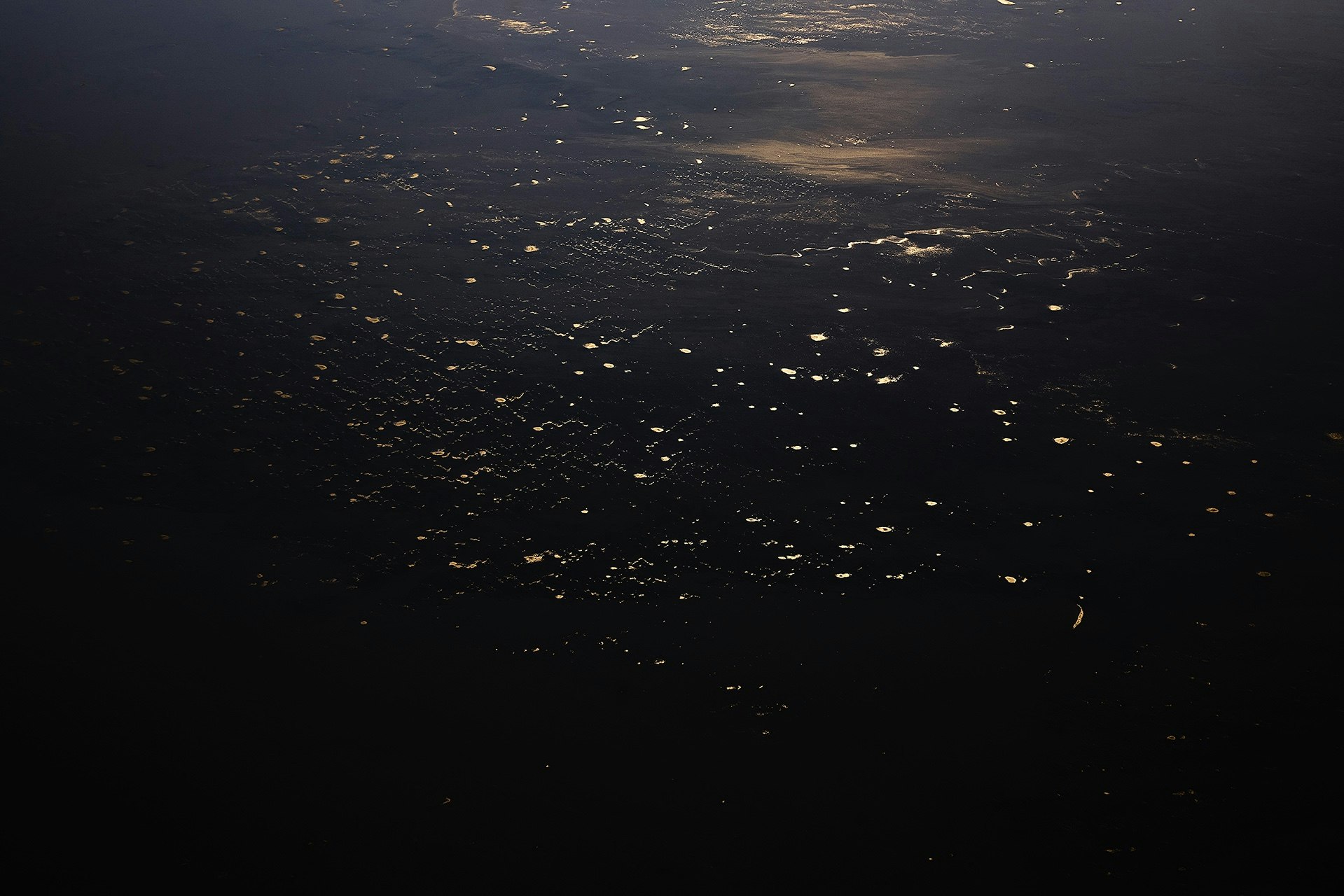
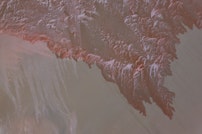
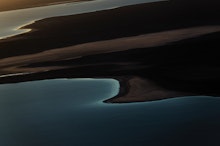
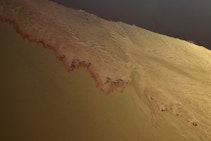
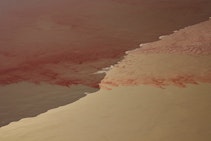
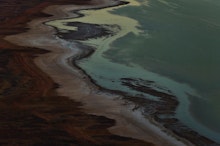
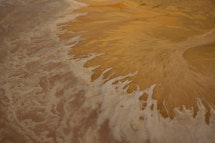
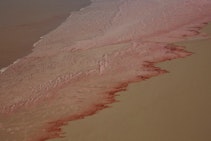
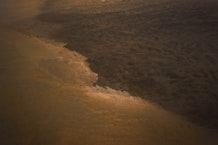
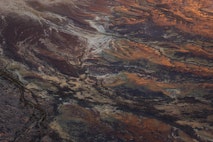
By the time we reached the airstrip at William Creek, the narrative felt complete. The road, the weather, the distance, the years of waiting, they all converged into the moment the basin revealed itself from the air. What began decades earlier on a classroom projector had finally come full circle, carried across the continent by timing, persistence, and the enduring pull of a landscape unlike any other.
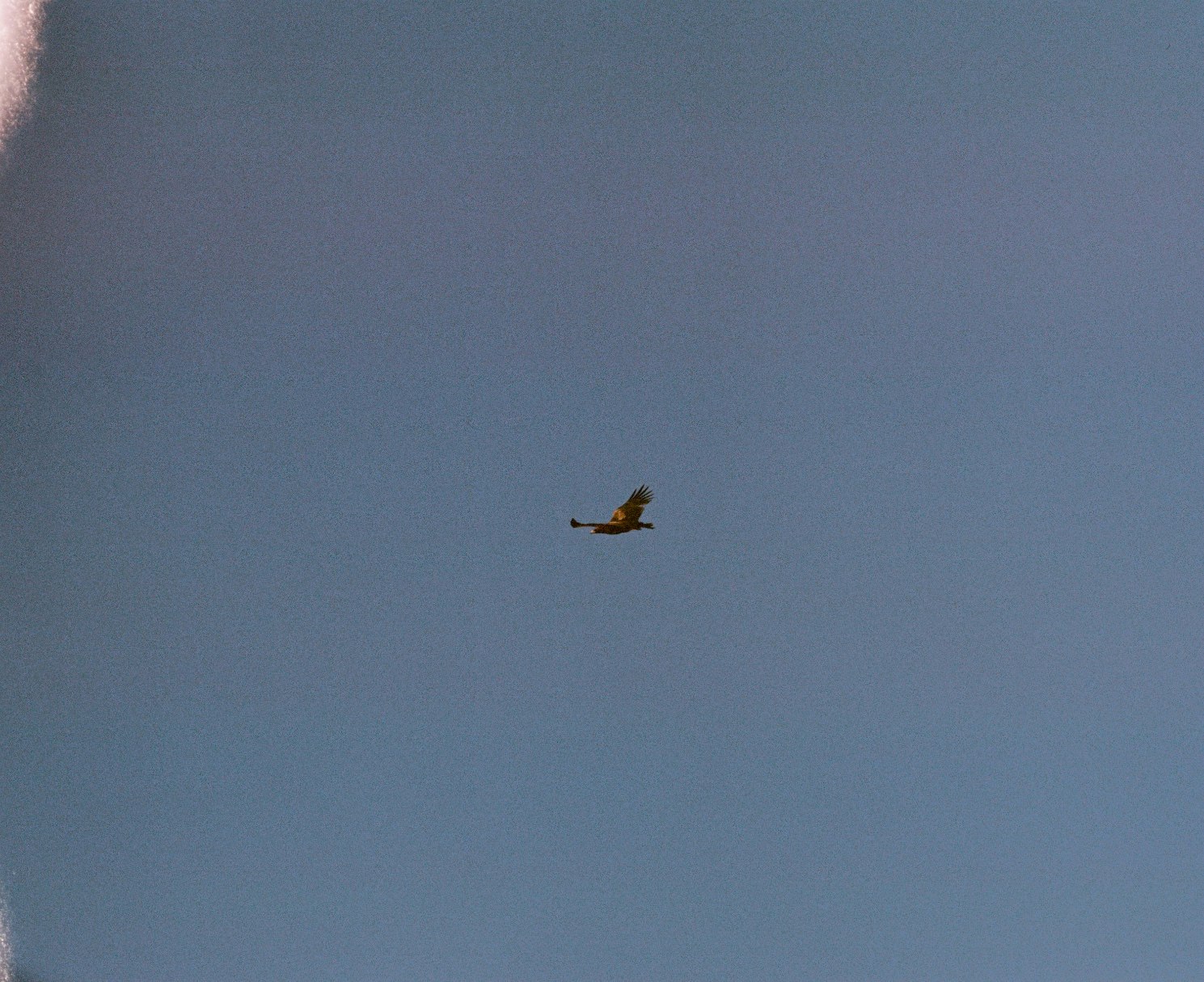
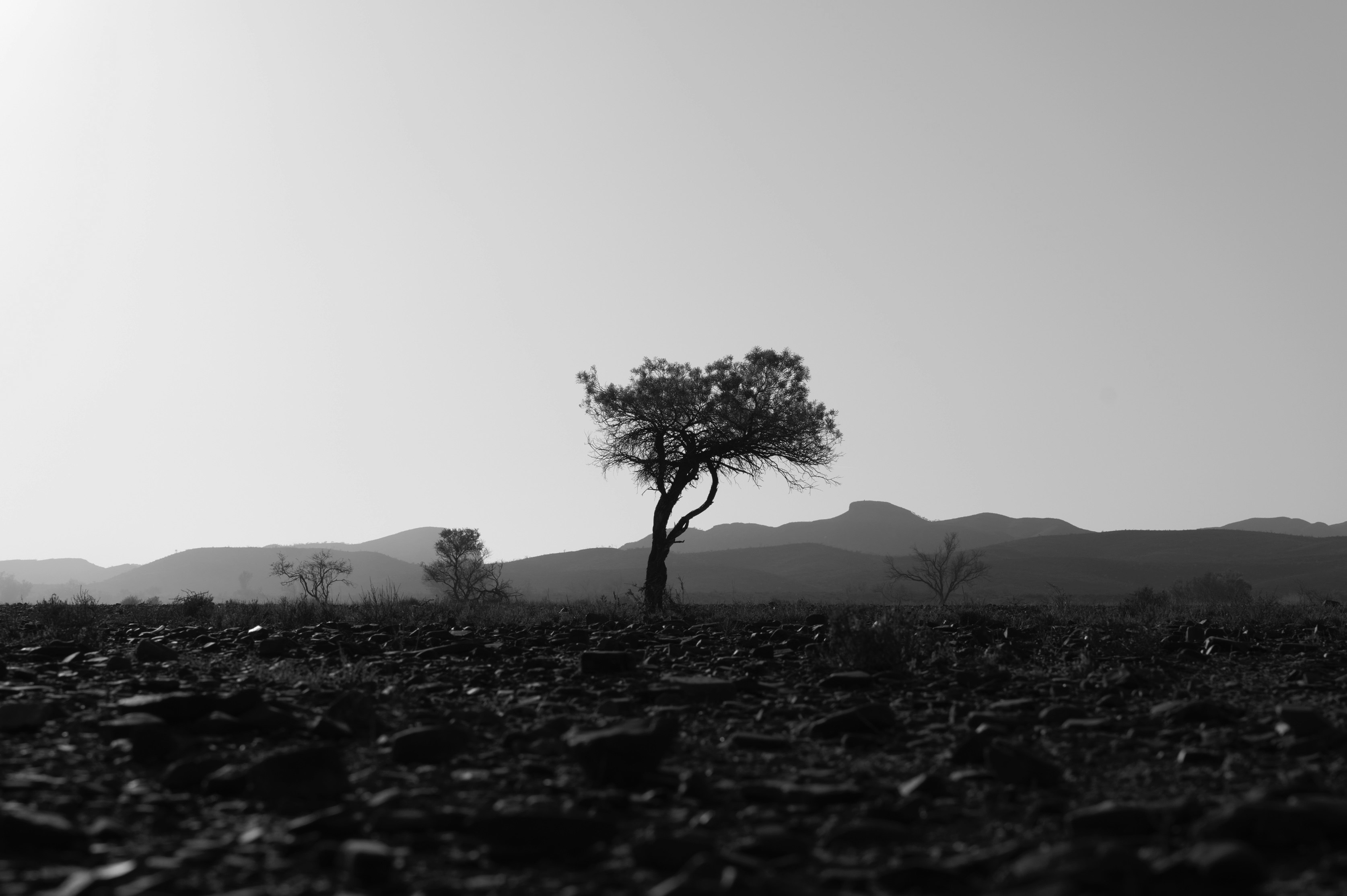
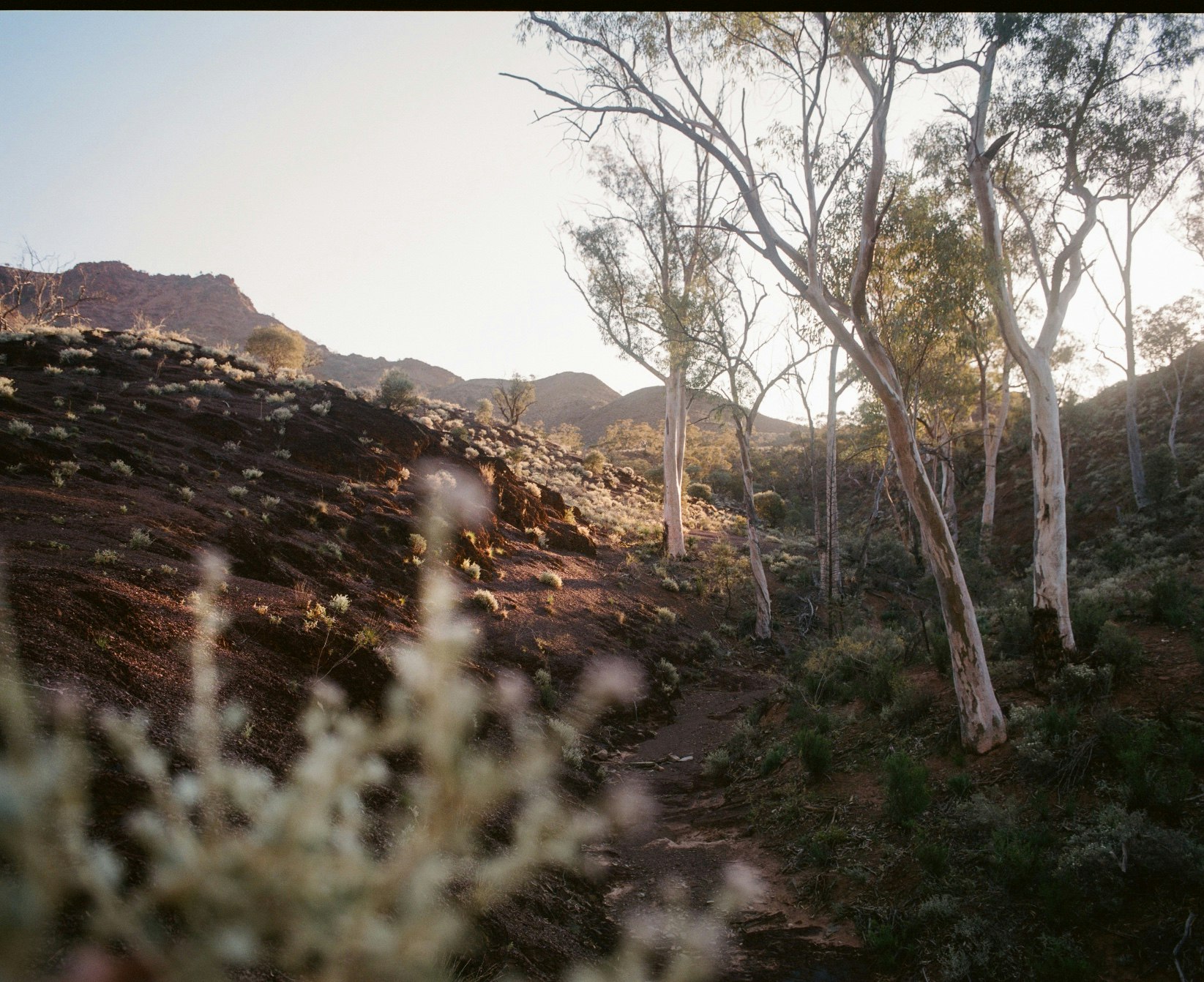
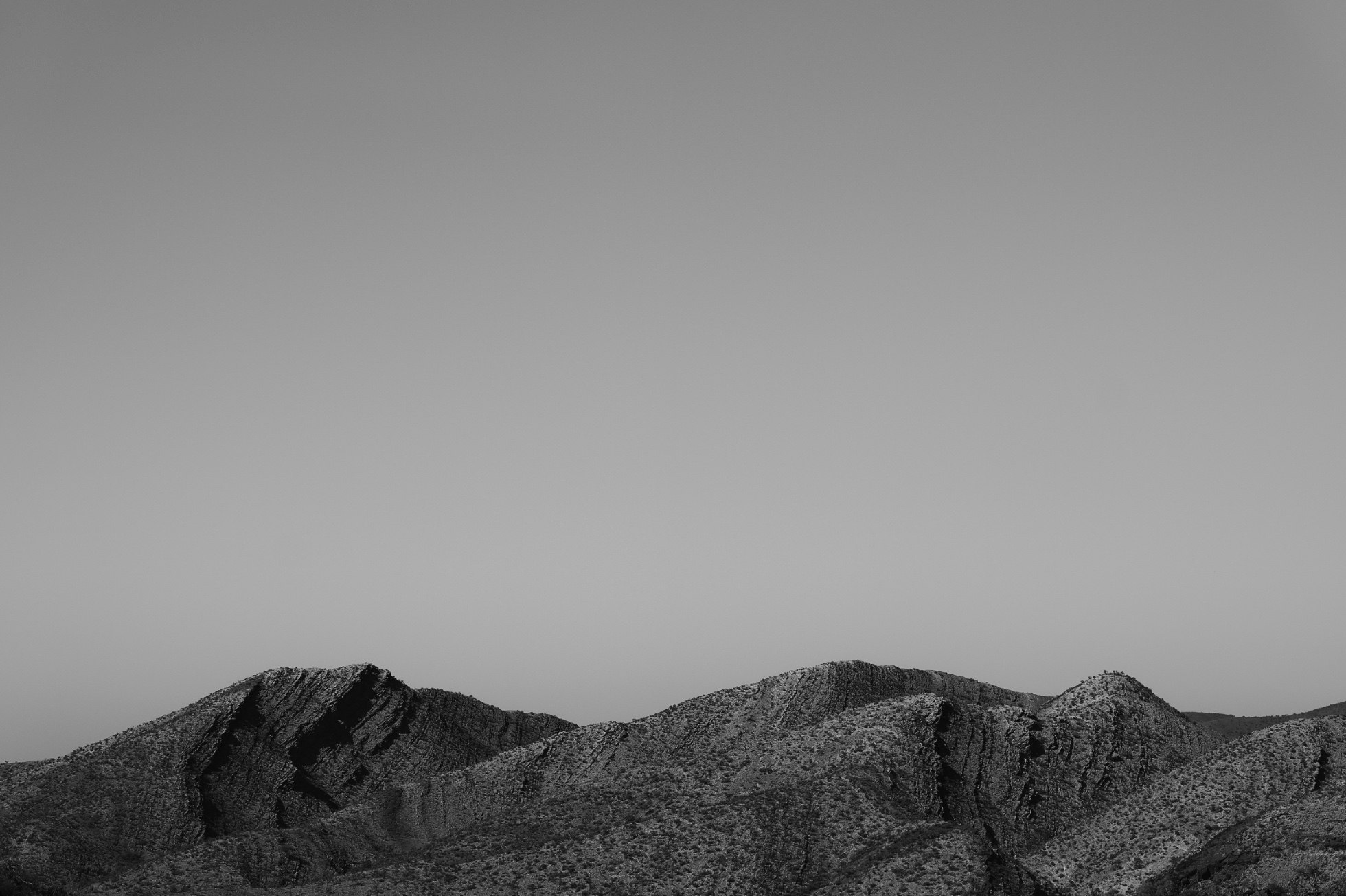
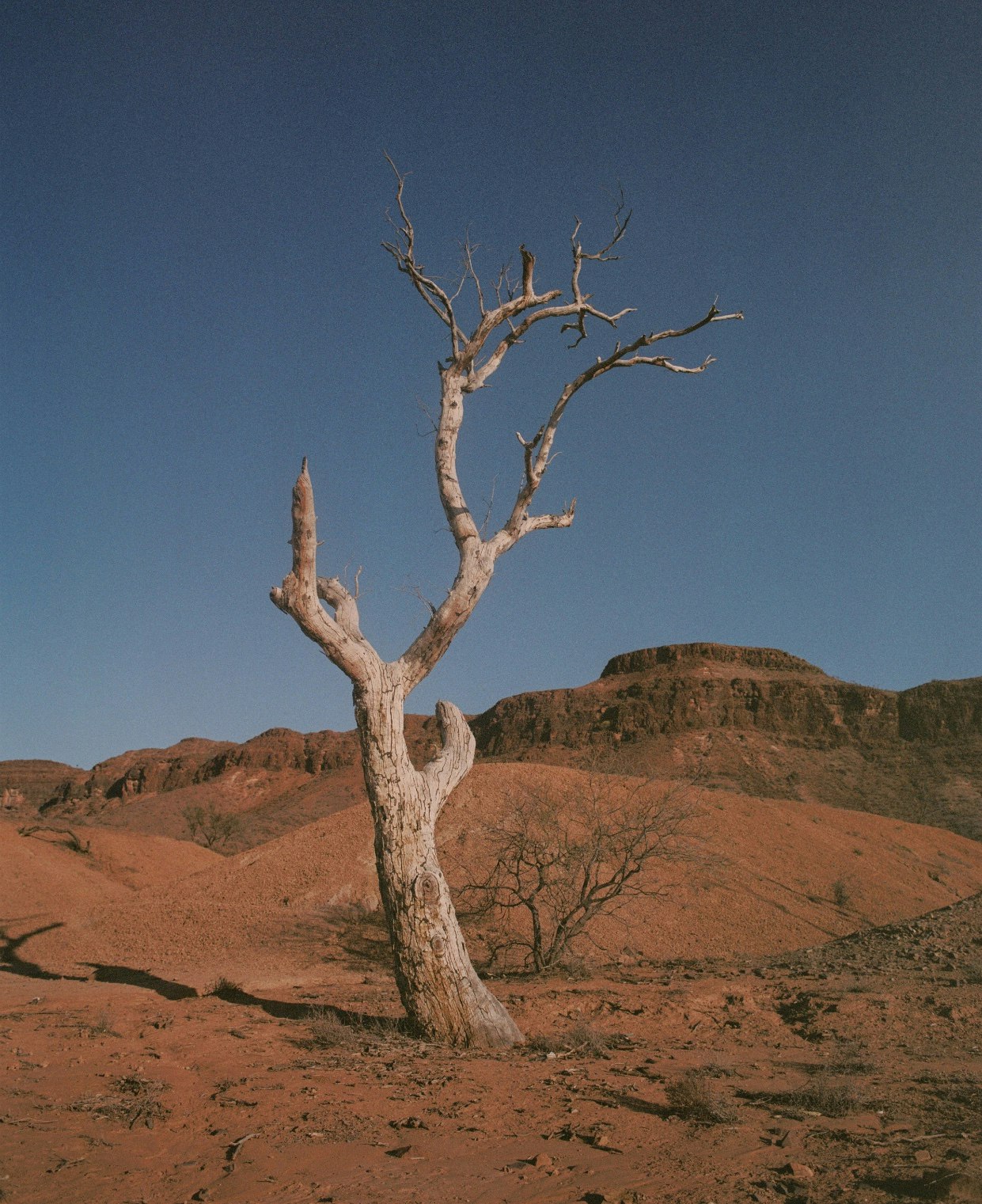
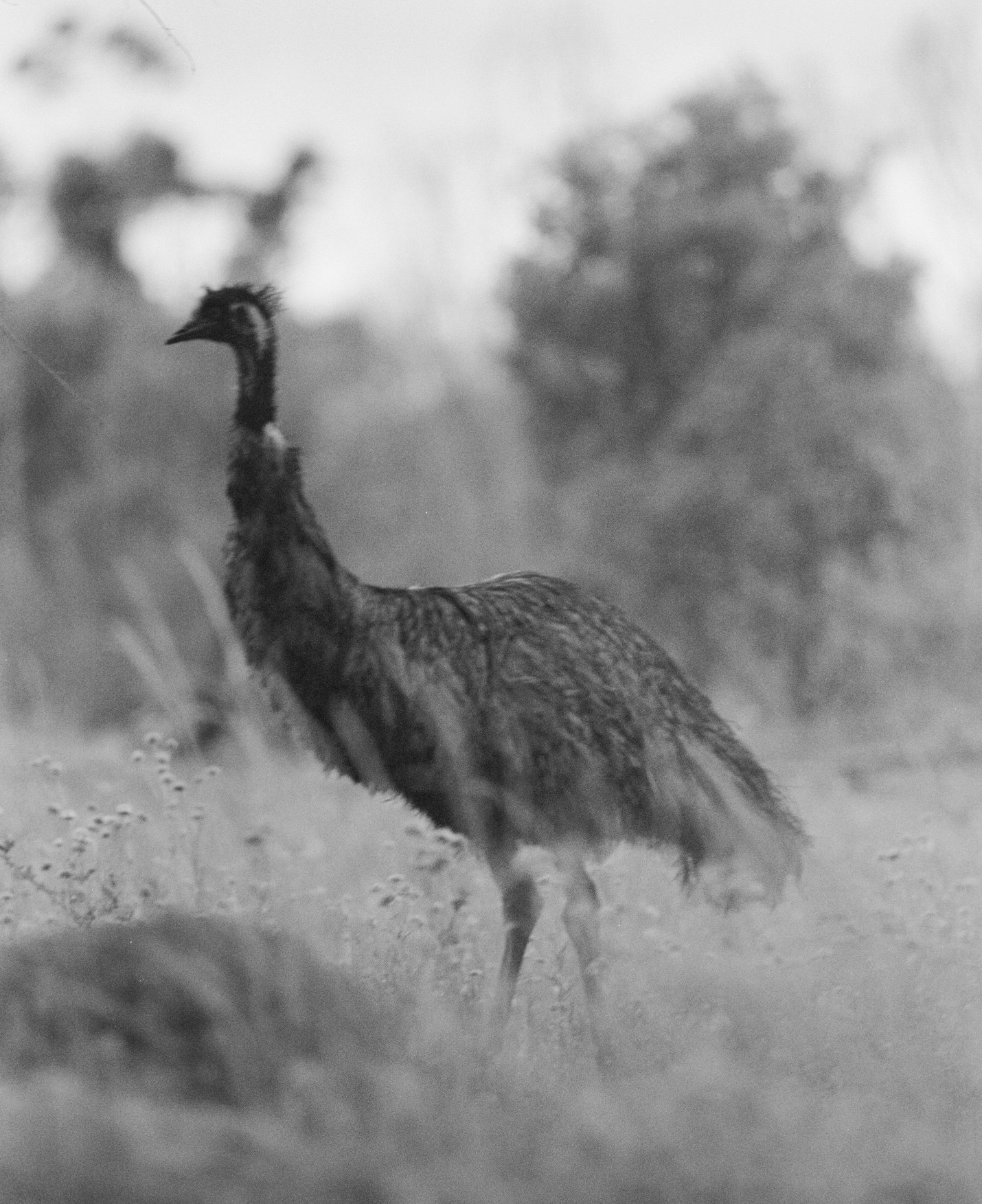
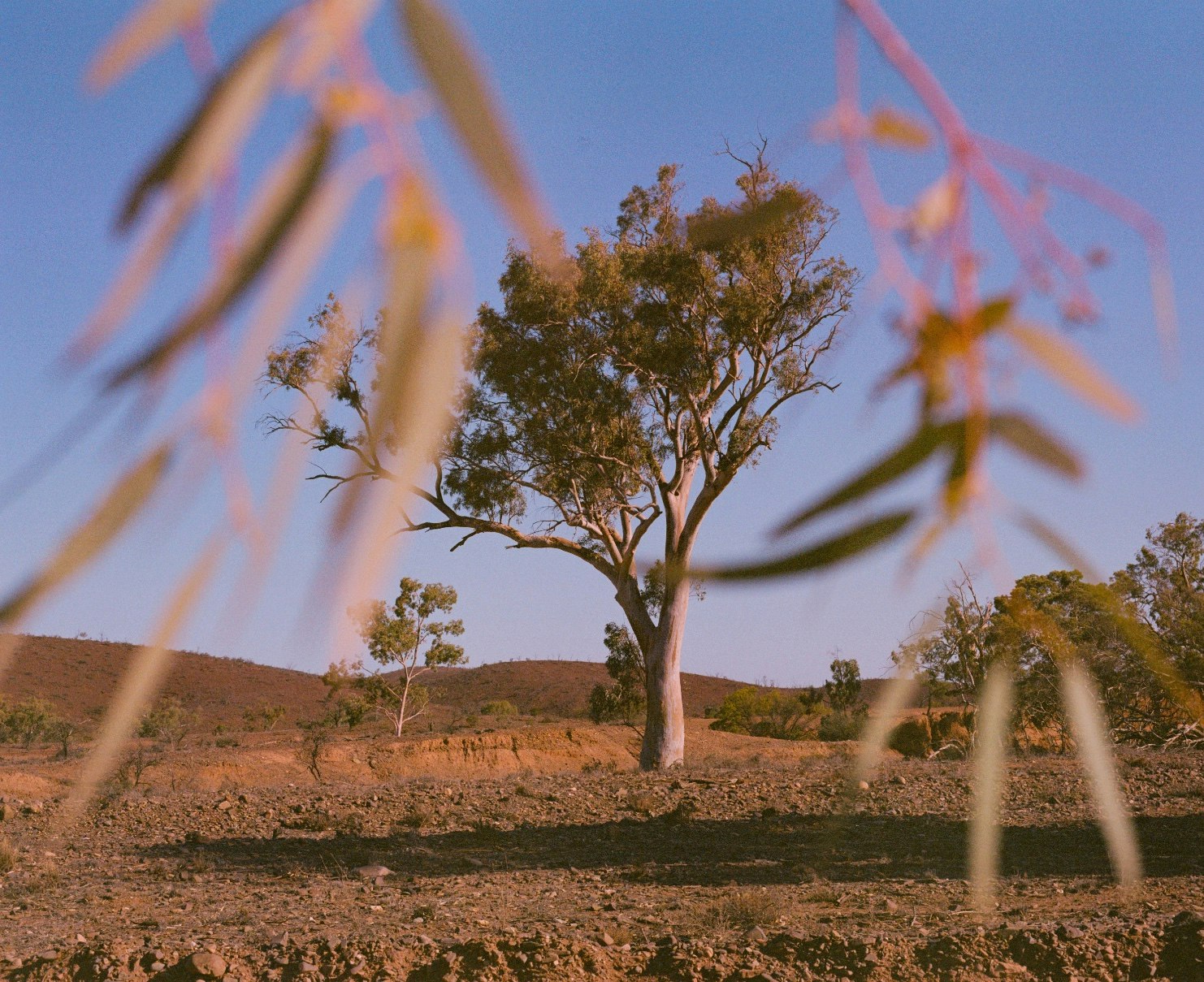
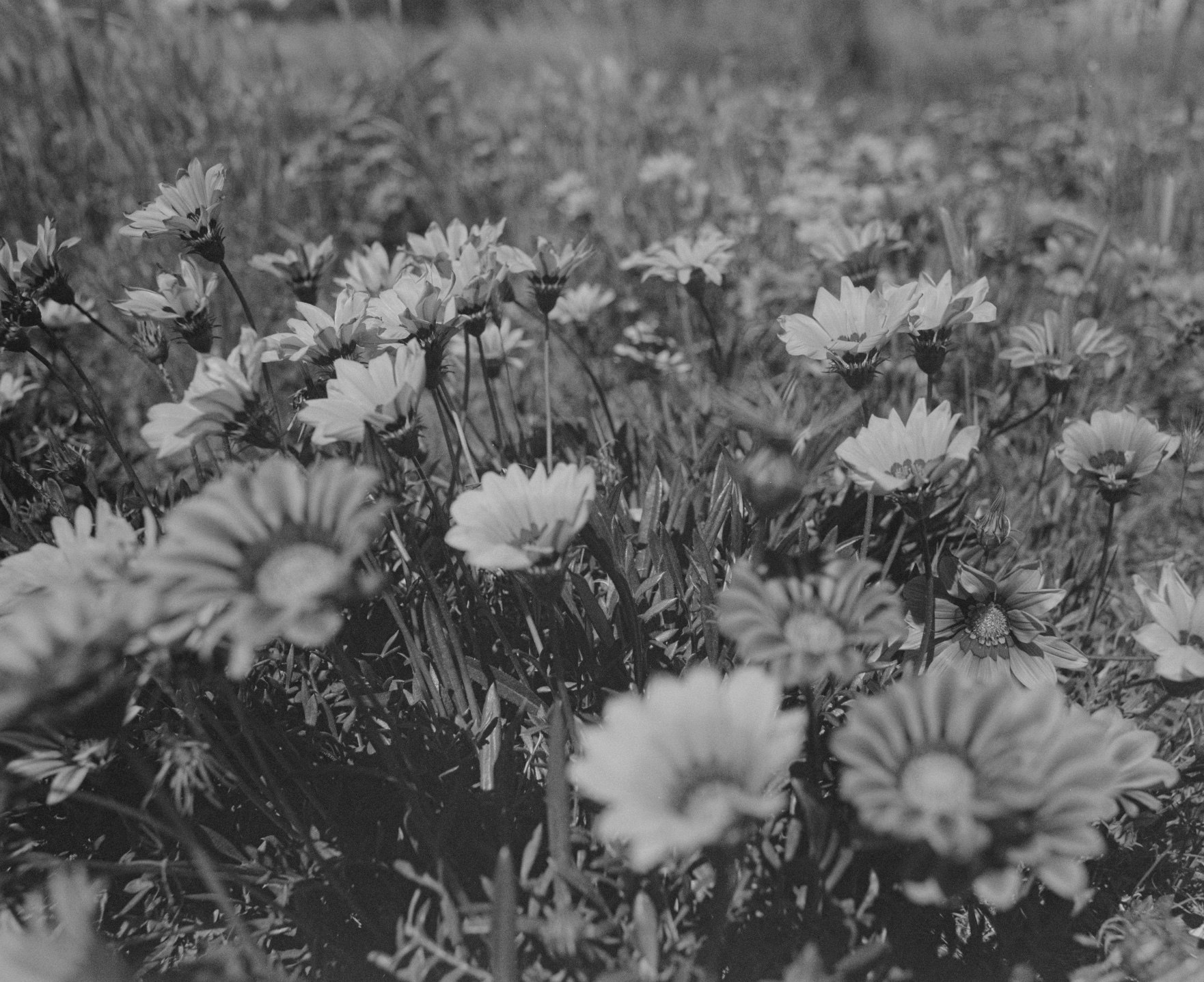
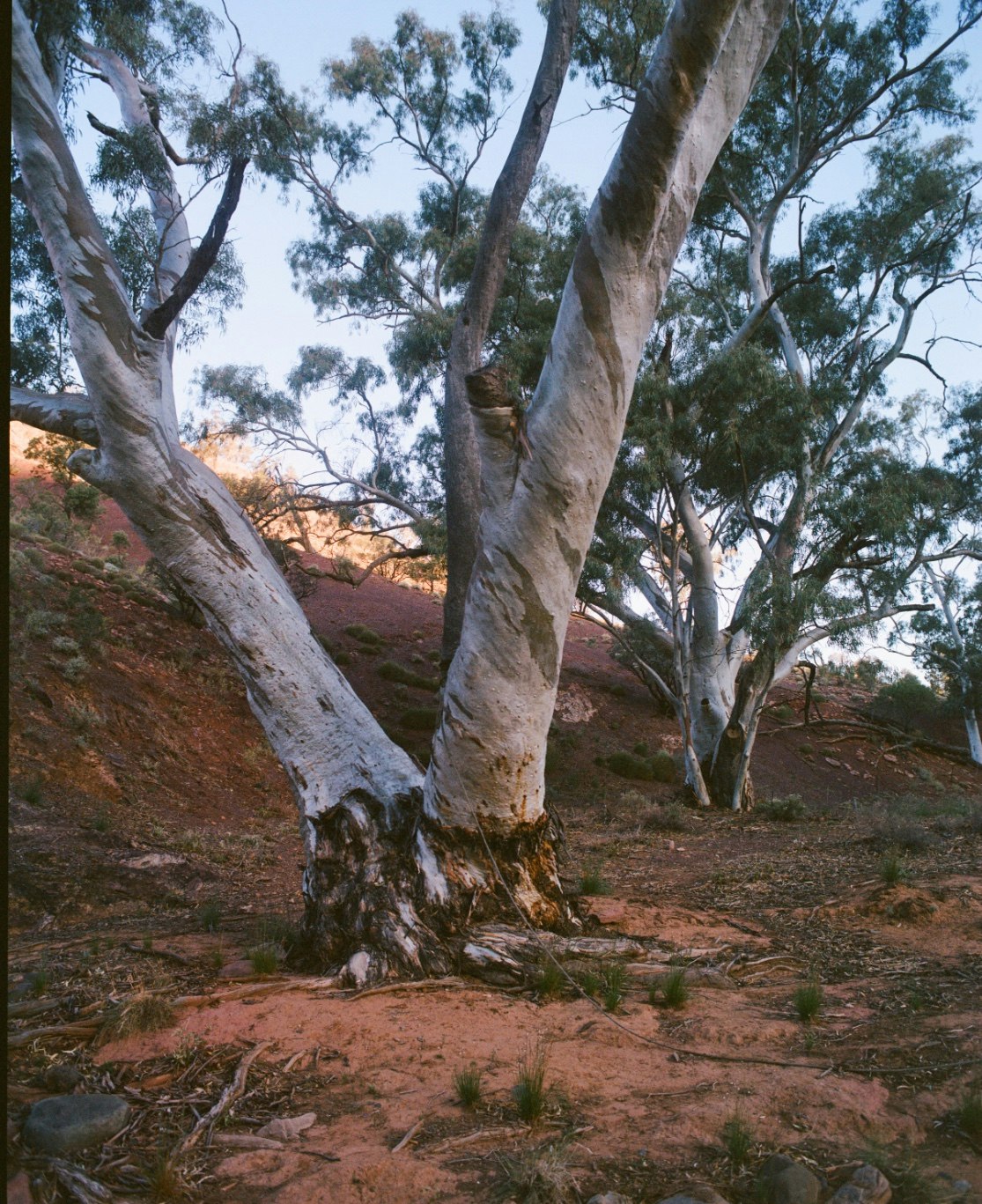
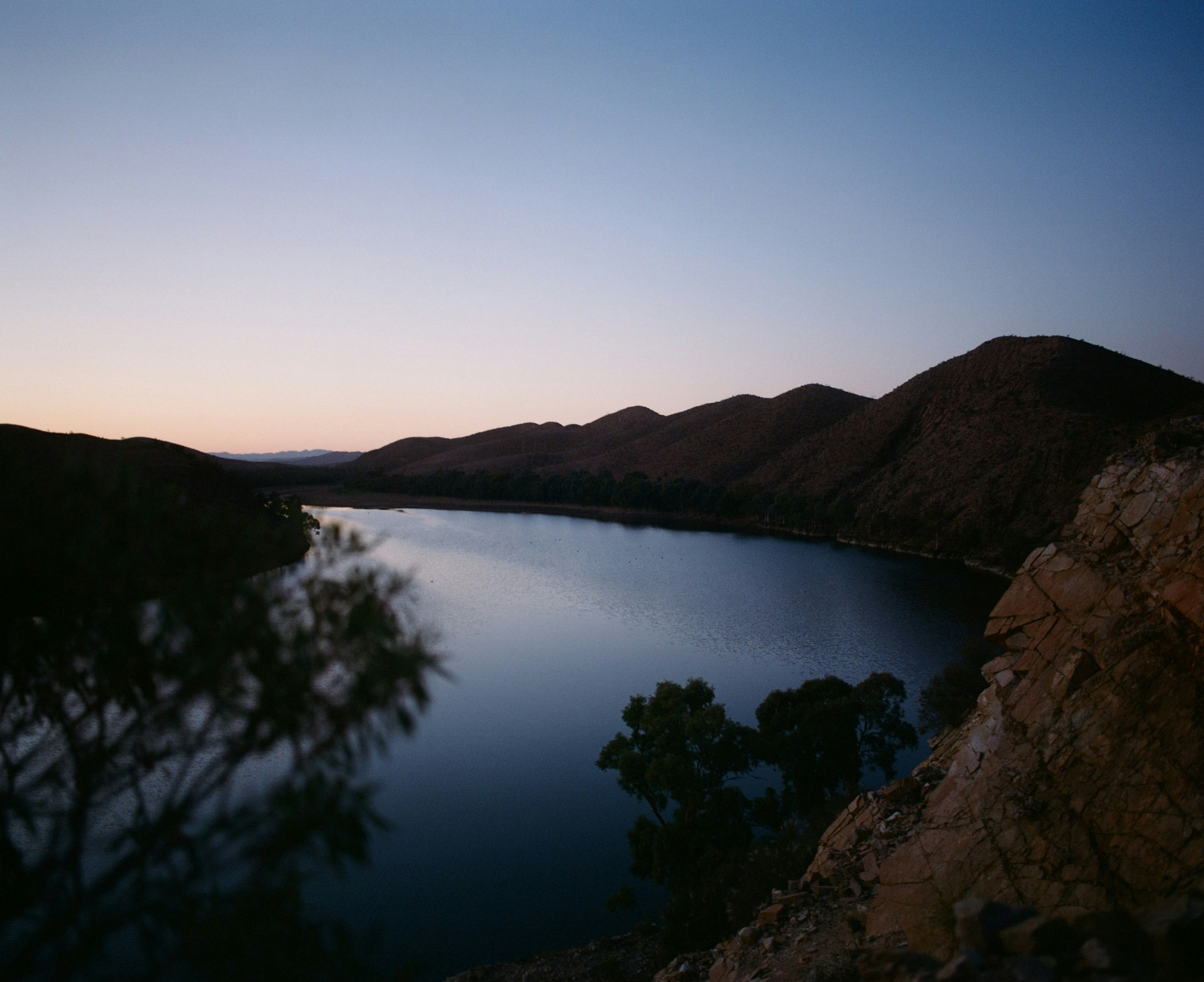
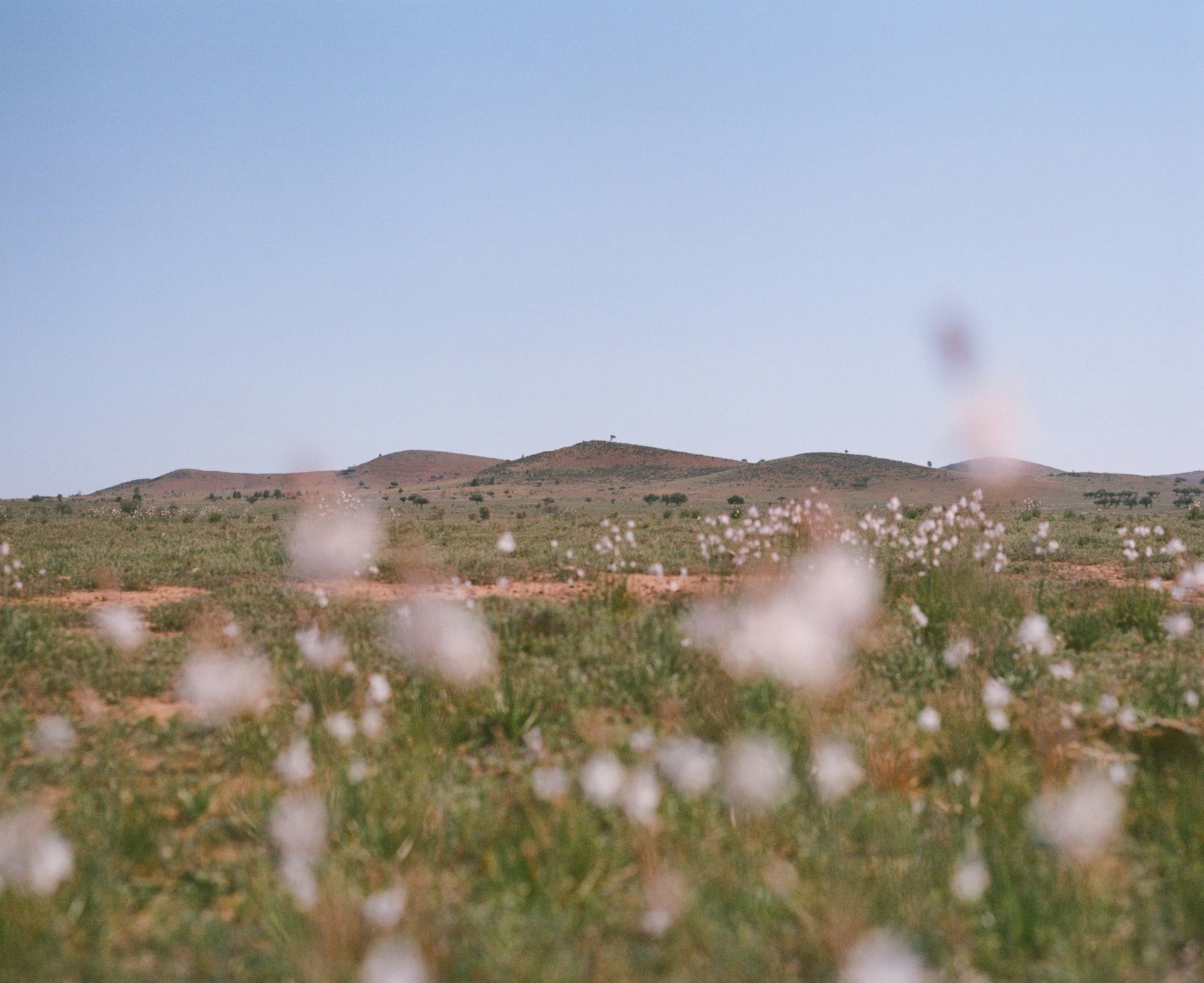
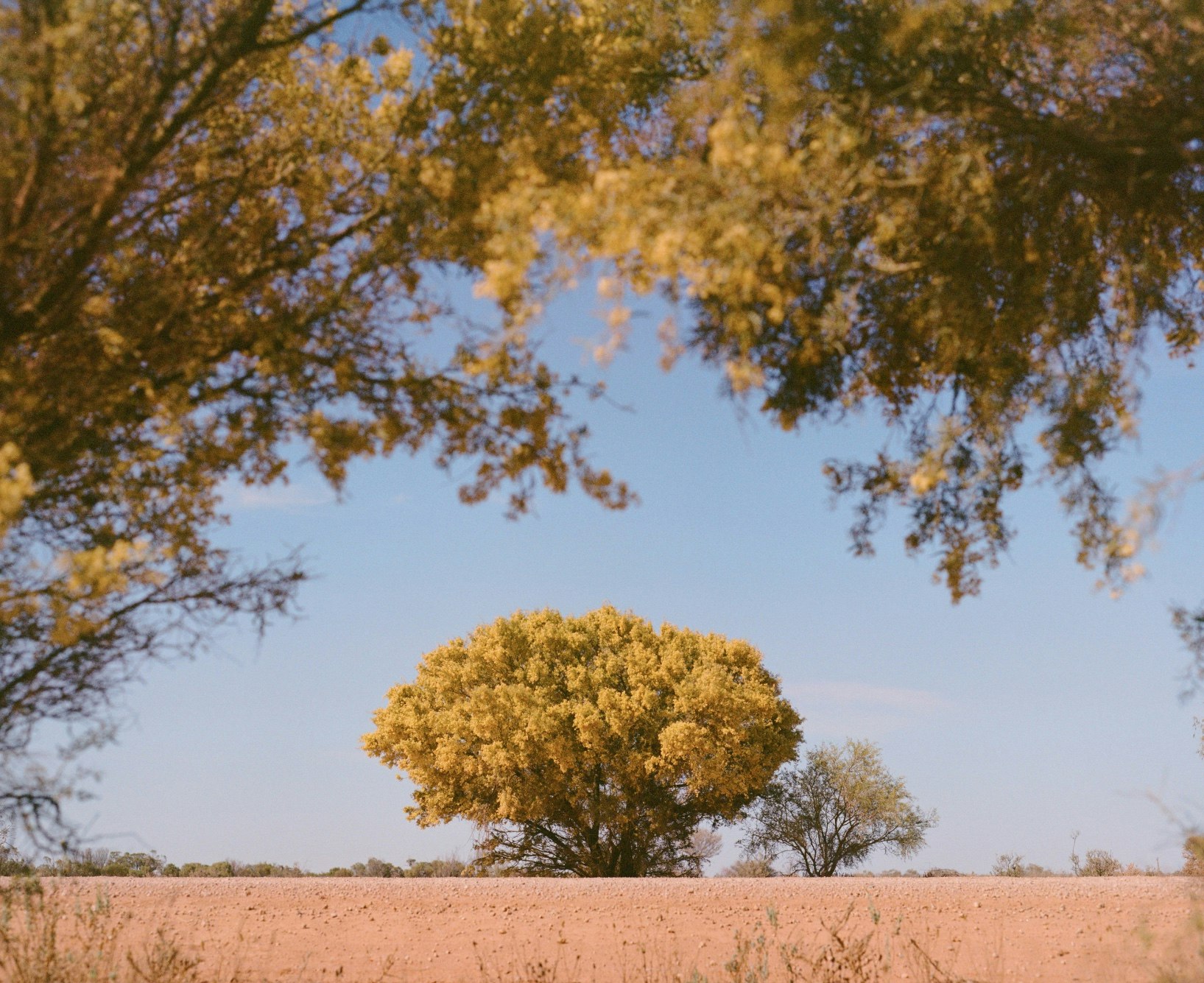
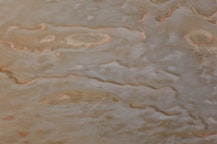
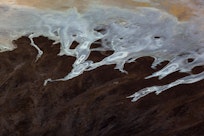
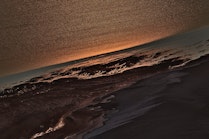
Our behind the scenes vision was captured on 120mm medium format photographic film and 16mm motion film to honour those first grainy memories. We used a motion camera that was first released in Australia in 1974, the same year Kati Thanda-Lake Eyre was last this full.